Is Nepal safe to travel in 2026? After the devastating flood that affected several parts of the country in August, it is a question many travelers are asking, and it is completely understandable. Images of flooded villages, damaged roads, bridges, and other physical infrastructure, as well as the loss of human lives along the Bhotekoshi-Trishuli corridor, have raised serious concerns about whether Nepal is still ready to welcome visitors.
The good news and the answer? Yes, Nepal is completely safe to travel in 2026. The Bhotekoshi-Trishuli flood was devastating and affected Timure, Syabrubesi, Chilime, Mailung, Betrawati, Nuwakot, Battar, Bidur, Trishuli Bazar, Dhading, and Galchi areas, but it did not affect the entire country. Major tourist destinations, including Kathmandu, Pokhara, Everest, the Annapurna region, and other trekking trails, nature tours, and destinations, are open and continue to welcome visitors. The areas that are severely affected and facing the most serious disruption around Rasuwa and parts of Nuwakot are where travelers should follow local advice and restrictions and avoid damaged areas.
So, should you cancel your Nepal adventure? A big No!
Your itinerary will be planned carefully, and you should stay informed about current road, weather, and trail conditions. Nepal still offers the unforgettable experience you came for: the snow-covered Himalayan peaks, peaceful mountain trails, centuries-old temples and museums, welcoming villages, wildlife, and the warmth of Nepali hospitality.
Nepal is recovering, rebuilding, and moving forward. And for many communities whose livelihoods depend heavily on tourism, responsible travelers are more than visitors; they are part of the recovery. Nepal is open, its tourism industry is working, and its famous mountains are still calling. In this guide, we will explain what the recent flood actually affected, which destinations remain safe to visit, what travelers should be cautious about, and how you can confidently plan your trip to Nepal in 2026.
So, Is Nepal Safe to Travel in 2026?
Yes, Nepal is safe to travel to in 2026, and the country remains open to tourists. Yes, the recent flood was destructive and was a devastating event, but it did not affect the entire country and did not bring tourism across Nepal to a halt. So, we request you to stop assuming about the rumors. The damages were mainly around specific river corridors and districts (Rasuwa, Nuwakot, Dhading). And many of Nepal’s popular tourist destinations continue to welcome visitors.
Likewise, the most important thing that everyone should understand is that “Nepal” is not one single affected area. The country is stretched from the lowland Terai to the high Himalayas, and the impact of the recent flood varied greatly from one region to another.
Kathmandu, Pokhara, Chitwan, Lumbini, Palpa, the Everest region, and many destinations in the Annapurna region are great choices for travelers. Hotels, restaurants, trekking agencies, guides, and other tourism businesses are continuing to welcome visitors in these places.
However, the northern part of Nepal, particularly the parts of flood-affected corridors, has experienced serious damage to roads, bridges, and settlements. These are restricted and suspended currently, so they should not be treated in the same way as unaffected tourist destinations.
Hence, this directly means you do not need to cancel your Nepal trip simply because of the flood. Instead, what can you do? You can choose your destination carefully, check the latest local conditions, and be well prepared to adjust your route if necessary.
So, is Nepal safe? Yes, but smart travel matters. Nepal is not closed; it is recovering. Following simple precautions like staying informed, avoiding restricted or severely damaged areas, following local safety instructions, and checking road and trail conditions before your journey can help you continue your travel and experience Nepal’s mountains, culture, wildlife, and warm hospitality with confidence.
What Does “Safe to Travel” Actually Mean?
When we say Nepal is safe to travel in 2026, it does not mean that every corner of the country is unaffected or that every road and trekking trail is operating normally. The recent flood caused serious damage in particular areas, so it is very important to look at the safety destination by destination and route by route. For different parts of your journey, here is what ”safe to travel” means:
- Safe destinations: Several tourist destinations are open and continue to welcome visitors. These include major tourism hubs and regions that were not affected by the disastrous flood.
- Safe roads: A destination may be safe, but the roads connecting to it may have temporary damage, landslides, or no access. So, you should always check the latest road conditions before traveling.
- Safe trekking trails: There are many other trekking destinations in many parts of Nepal where trekking remains possible, but trail conditions can change after rainfall. So, check with local authorities, guides, or trekking agencies before starting a trek.
- Safe Transportation: Tourist buses, private vehicles, and flights continue to connect many destinations, but schedules and routes can change because of weather, road damage, or landslides.
In other words, traveling safely in Nepal in 2026 is about being well-informed about the latest conditions and routes. You can enjoy the country’s mountains, heritage, wildlife, and local culture, but your itinerary should be planned based on the current conditions. Nepal is open, but responsible travel is essential; you must know where to go, which routes to take, and which areas to avoid.
What Happened During the 2026 Nepal Flood?
August 26, 2026, will remain one of the darkest days in Nepal’s recent history. Even 12 days after the flood, it is still painful to talk about what happened, because the disaster claimed precious lives, separated families, and left communities grieving. The whole nation is still mourning the people who were lost and struggling to come to terms with the scale of the tragedy.
On August 26, 2026, a devastating flood carrying rocks, mud, and debris occurred in the Bhotekoshi and Trishuli rivers, which began in the border area of Rasuwa, Timure, and came downstream, affecting Syabrubesi, Chilime, Mailung, Betrwawati, Battar, Devighat, Nuwakot, Trishuli Bazar, Dhading, Galchi, and Malekhu. 32 strategic bridges in Rasuwa, Nuwakot, and Dhading were completely washed away, 13 kilometers of the Pritivi Highway were covered with mud and debris, 87 telecom towers were affected, Rasuwagadhi customs and dry pots were completely destroyed, 220 kV substation is destroyed, and 111 MW Rasuwagadhi Hydropower Project, 78 MW Sanjen Khola, 60 MW Upper Trishuli 3A, 22 MW Chilime, 20 MW Langtang, 24 MW Trishuli, 14 MW Devighat and the Nepal Electricity Authority’s 25 MW solar project are the major operational projects that are affected. Several other hydropower projects that were under construction were damaged, and other physical infrastructure was also affected.
Rescue teams, security personnel, local authorities, and communities have since been actively involved in search, relief, and recovery efforts. Even after 10-11 days, three people were rescued alive: two from the tunnel and one from a damaged home.
So, it is crucial for travelers to understand the scale and location of the disaster. The flood was devastating, but it was not a nationwide shutdown. The most serious impacts were particularly along the river systems and northern corridors. Many major tourism destinations remain outside the affected areas.
Which Parts of Nepal Are Safe to Visit in 2026?
One of the biggest misunderstandings after a major natural disaster is assuming that the whole country has been affected. That is not the case in Nepal, and it is safe to travel. Even Nepal’s Ministry of Foreign Affairs and the Nepal Tourism Board have stated that major destinations, including Kathmandu, Pokhara, Chitwan, Lumbini, Janakpur, Annapurna, and Everest, remain open.
Let’s have a closer look at some of the destinations you can still consider for your 2026 Nepal trip.
Kathmandu Valley
Kathmandu, the capital city of Nepal, is one of the easiest and most rewarding places to visit in Nepal in 2026. It is safe and was not affected by the devastating August flood. The major cultural attractions of Kathmandu continue to welcome visitors. You can explore:
- Kathmandu Durbar Square/Hanuman Dhoka, Kumari Ghar, and Kumari
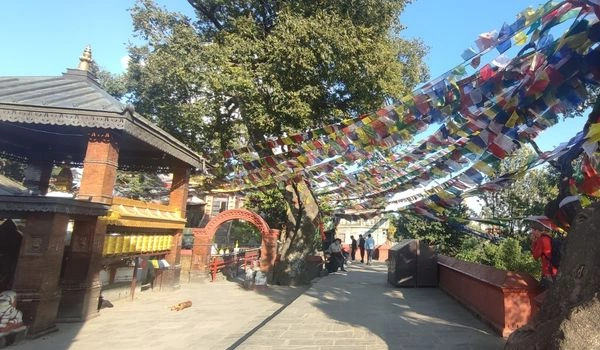
- Swayambhunath Stupa
- Boudhanath Stupa
- Pashupatinath Temple
- Narayanhiti Palace Museum
- Thamel and Garden of Dreams (close to each other)
- Budanilkantha Temple
- Chandragiri Hills and Bhaleshwor Mahadev
- Dharahara
- Kamalpokhari and Rani Pokhari
- Sundarijal
- Changu Narayan Temple
- Bhaktapur, along with four Squares (Bhaktapur Durbar Square, Pottery Square, Dattatreya Square, and Taumadhi Square)
- Lalitpur (Banglamukhi Temple, Golden Temple, Patan Durbar Square, Krishna Temple)
Kathmandu is the country’s main arrival point for international travelers and is also an important base for tours and trekking. The valley offers a comfortable way to begin your Nepal journey while experiencing its temples, courtyards, art, food, and living heritage.
Pokhara and the Annapurna Region
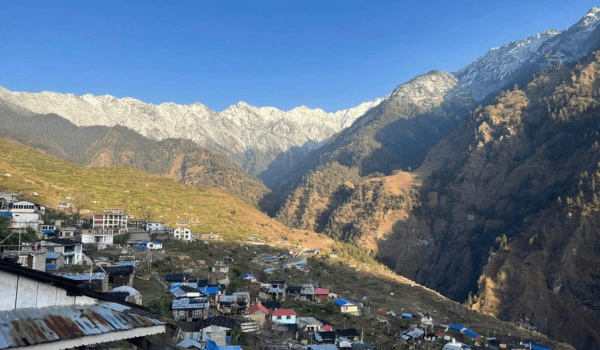
Pokhara and the major Annapurna trekking areas are open, and the Himalayas are calling you to visit them. Pokhara, often called the “City of Lakes,” is one of the most beautiful and relaxing destinations, while the Annapurna Region is one of Nepal’s most spectacular mountain destinations, with several Himalayan peaks, peaceful villages, lush valleys, and ancient trails. Both of these places are among the best and are among the major destinations unaffected by the flood.
Some of the places to explore in Pokhara are:
- Phewa Lake
- Tal Barahi Temple
- Sarangkot
- World Peace Pagoda
- Devi’s Fall
- Gupteshwor Mahadev Cave
- Mahendra Cave
- Seti River Gorge
- Bindhabasani Temple
- Begnas Lake
- Rupa Lake
- Pumdikot Shiva Statue
Some of the major places to explore in the Annapurna Region are:
- Annapurna Base Camp (ABC)
- Annapurna Circuit
- Machhapuchhre Base Camp (MBC)
- Thorong La Pass
- Muktinath, Mustang
- Manang
- Tilicho Lake
- Ghandruk
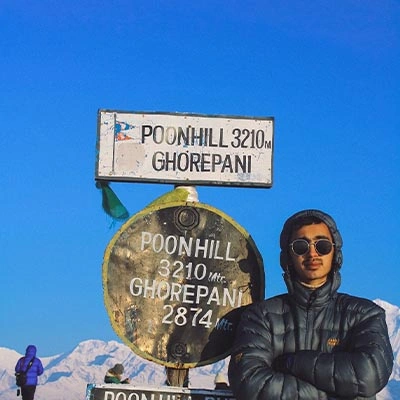
- Ghorepani
- Poon Hill
- Tatopani
- Jomsom Marpha
- Kagbeni
- Sikles
Everest Region
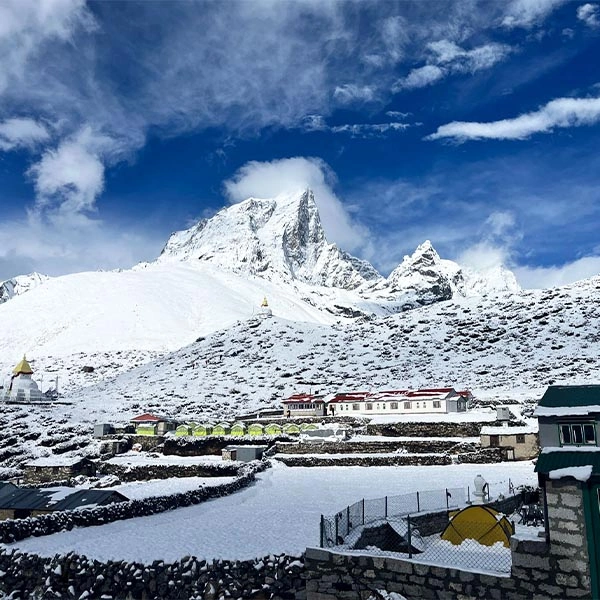
If you dream of standing beneath the world’s highest mountain, then the Everest region remains open to trekkers in 2026. This is the region where the Himalayas seem to touch the sky and is home to Mount Everest and Nepal’s most iconic mountain landscapes. The region is also known as Khumbu, and it combines towering peaks, ancient Sherpa villages, colorful monasteries, high-altitude valleys, and majestic trekking trails.
Places to explore in the Everest region are:
- Everest Base Camp
- Kala Patthar
- Namche Bazar
- Tengboche Monastery
- Gokyo Lakes
- Gokyo Ri
- Dingboche
- Lukla
- Phakding
- Thame Valley
- Khumjung Village
- Ama Dablam
- Sagarmatha National Park
Chitwan
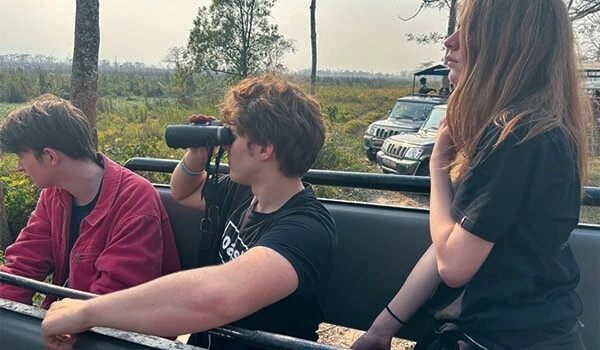
If you want something completely different from the Himalayas, then Chitwan can be a great choice for travelers looking for wildlife and nature, and it is open to visitors. Chitwan is best known for its lush forests, fascinating wildlife, Tharu Culture, and the famous Chitwan National Park. Unlike the high Himalayan destinations, Chitwan offers a completely different experience, from spotting one-horned rhinoceroses and crocodiles to exploring peaceful rivers and traditional villages. So, whether you are looking for a jungle adventure, a cultural experience, or a relaxing escape into nature, Chitwan is one of Nepal’s most rewarding destinations.
Here are some major places to explore in Chitwan:
- Chitwan National Park
- Sauraha
- Rapti River
- Tharu Cultural Museum
- Tharu Villages
- Bishazari Tal (Twenty Thousand Lakes)
- Devghat Dham
- Gharial Conservation and Breeding Center
- Elephant Breeding Center
- Chitwan Jungle Safari
- Canoeing on the Rapti River
- Birdwatching Areas
- Sunset Viewpoints
Lumbini
Lumbini is where history, spirituality, and peace come together. It is the sacred birthplace of Lord Gautam Buddha. It is located in Rupandehi district and is one of the most important pilgrimage destinations in the world and a UNESCO World Heritage Site. With the ancient archaeological remains, peaceful monasteries, meditation gardens, and the sacred Maya Devi Temple, Lumbini offers a deeply meaningful experience for visitors of all backgrounds. Whether you come for pilgrimage, history, architecture, or simply a moment of quiet reflection, Lumbini has a timeless charm.
Major Places to Explore in Lumbini
- Maya Devi Temple
- Sacred Garden with ancient ruins, trees, ponds, and important archaeological sites.
- Ashoka Pillar
- Lumbini Monastic Zone
- Myanmar Golden Temple
- China Temple
- Korean Temple
- Royal Thai Monastery
- German Monastery
- Lumbini Museum
- Kapilvastu
- Tilaurakot
Other Accessible Destinations
Nepal is much more than its most famous trekking regions. Even when access to certain areas is temporarily affected, many beautiful destinations across the country remain ready to welcome travelers. From historic cities and peaceful lakes to wildlife, culture, and mountain views, these accessible destinations offer plenty of reasons to keep exploring Nepal.
Bandipur
What if you could step into a place where time seems to slow down, ancient streets still tell stories, and the Himalayas are right before your eyes? Welcome to Bandipur! Bandipur is a charming hilltop town that beautifully preserves Newari settlement and is well known for its traditional houses, cobbled streets, peaceful atmosphere, and spectacular views of the surrounding hills and mountains. According to the local people, Bandipur was once an important trading stop along the India-Tibet route. Today, Bandipur offers a slower and more authentic way to experience Nepal. Likewise, the place is a perfect destination for travelers looking for culture, nature, and a little escape from the busy cities.
Places to Explore in Bandipur:
- Bandipur Bazar
- Tundikhel
- Siddha Cave (Siddha Gufa)
- Bandipur Mountain Viewpoints
- Mini Great Wall
- Bandipur Cable Car
Janakpur
Now, let me introduce you to a city where ancient legends, colorful art, and living traditions come together. This is Janakpur, which is known as the birthplace of Mithila culture and the sacred city associated with Goddess Sita. The heart of Janakpur is the magnificent Janakki Temple, a major pilgrimage site believed to mark the place connected with Sita’s life. Besides the temple, you can discover centuries-old ponds, Mithila paintings, historic sites, and lively local traditions. These combinations make Janakpur unique and unlike anywhere else in Nepal.
Major Places to explore when you are in Janakpur:
- Janaki Temple
- Ram Mandir
- Vivaha Mandap
- Dhanush Sagar
- Mithila Art and Culture
- Janakpur Railway Station
Ilam
Imagine waking up to misty green hills, walking through endless tea gardens, and watching the morning light across the tea leaves. This is Ilam! Ilam is located in eastern Nepal, and it is famous for rolling tea plantations, lush landscapes, and peaceful hill-town charm. The journey itself is part of the experience, with winding roads leading through forests, villages, and spectacular countryside. It is a perfect place for those who want to slow down, breathe fresh mountain air, and experience a quieter side of Nepal.
Major Places to Explore in Ilam:
- Ilam Tea Garden
- Kanyam Tea Garden
- Antu Danda (Shree Antu)
- Mai Pokhari
- Sandapur
- Ilam Bazar
- Tea estates and villages around
And the best part? These destinations remain open, welcoming travelers and continuing to offer the experiences, beauty, and warm hospitality that make Nepal unforgettable. Additionally, all these places in Nepal are safe to visit in 2026.
Can You Still Trek in Nepal in 2026?
Yes, you can still trek in Nepal in 2026. The recent floods have changed access to some areas, but it has not closed Nepal’s mountains or brought trekking across the country to a stop. Many of Nepal’s best-known trekking regions are open; they are offering travelers the chance to experience the Himalayas while supporting the local communities that depend on tourism.
Treks to consider in 2026
What about Langtang?
Langtang needs a little more explanation, as the traditional approach is: Kathmandu → Dhunche → Syabrubesi → Langtang Valley, and Syabrubesi is severely affected by the recent flood. However, do not start to assume that the Langtang Trek is impossible because there are alternative routes for the Langtang Trek after the 2026 flood. The alternative route is: Sundarijal → Chisapani → Kutumsang → Mangengoth → Thadepati → Lauribina Pass → Gosaikunda → Chandanbari → Thulo Syabru → Sherpagaon → Pairo → Bamboo → Rimche → Gumnachowk → Ghoda Tabela → Thyangsyapu → Chyamki → Langtang Village → Mundu → Singdum → Yamphu → Kyanjin Gompa
Are Nepal’s Airports Open?
Yes, air travel to Nepal continues in 2026. The main gateway for international travelers, Tribhuvan International Airport, continues to run domestic flights to reach major tourist destinations across the country. You can take flying as a practical alternative when road conditions are uncertain, particularly during the monsoon and recovery period.
How to Travel Safely in Nepal After the 2026 Flood?
As mentioned earlier, Nepal is still open to travelers, but post-flood travel requires a little more planning than usual. You must be aware because the weather can change quickly, and conditions may change near rivers and along trekking routes that are affected by landslides or damaged infrastructure. A safe trip does not mean avoiding Nepal, but it is about knowing where you are going, checking conditions before starting the journey, and following the local advice. And, if you are a US traveler, check the latest US Department of State Travel Advisory before your trip
Travel Tips For Your Journey
- Check the latest travel advisories: Look for current information about affected areas, transportation, road closures, and any restrictions affecting your destination.
- Check road conditions: Do not rely on an old itinerary because roads before the flood may have been damaged or affected by the rain.
- Confirm your trekking route: Ask your trekking agency, guide, food and accommodation, or local tourism about the latest trail and bridge conditions before starting your trek.
- Contact your hotel or trekking agency: Confirm that your accommodation is operating and that your planned route is currently accessible.
- Check the weather forecast: This is very important! Heavy rain can increase the risk of landslides, flooding, and difficult road conditions, so do not forget to check once before you leave.
- Save Emergency Contacts: Keep important phone numbers offline, including your accommodation, trekking agency, guide, insurance provider, and relevant emergency services.
- Keep your itinerary flexible: The situation might change without any warning, so allow extra time for road journeys.
- Follow local instructions: Take the warnings of local officials, guides, drivers, or communities seriously and do not enter prohibited areas.
- Use a qualified local guide where appropriate: A local guide will help you to identify route changes, damaged sections, unsafe crossings, and alternative trails.
- Carry basic emergency supplies: Always carry some basic emergency supplies like a first-aid kit, water, snacks, a headlamp, warm layers, and necessary medicines.
If you are trekking or travelling with Adventure Glacier, we will handle everything for you. You can relax and make your travel memorable. We believe in not selling just a package but an experience
Is it a Good Time to visit Nepal in 2026?
Yes, with awareness, flexibility, and a little extra planning, you can visit Nepal in 2026. Nepal has suffered a devastating flood, and some communities and tourism businesses are facing a difficult recovery. At the same time, much of the country continues to function, welcome visitors, and offer memorable travel experiences. Your visit to Nepal is one of the best ways to support livelihoods and communities.
Nepal’s Tourism Industry Needs Travelers
In Nepal, tourism is not just about sightseeing; it is a source of livelihood for thousands of people. When you stay in a hotel, eat at a local restaurant, hire a guide or porter, take a local vehicle, buy handicrafts, or purchase supplies from a small shop, your spending will reach people and businesses far beyond the attraction.
Responsible Tourism Can Help Nepal Recover
Supporting Nepal does not mean traveling into areas that are unsafe or directly affected by the disaster. Before traveling, check the latest local conditions and confirm your route with your hotel, trekking agency, guide, or transport provider. If an area is restricted or local authorities advise against travel, respect those instructions and choose another destination. You don’t have to stop exploring Nepal; you just need to explore thoughtfully:
- Choose accessible destinations
- Spend with local businesses
- Respect recovered communities
- Remain flexible with your plans
Planning your Nepal Adventure?
Whether you are planning a trek, a cultural journey, or simply looking for the best way to explore Nepal after the recent changes, our team is here to help you plan with confidence.
And if you are vegetarian or vegan, don’t worry, we provide vegetarian and vegan-friendly trekking options, with meals and arrangements planned according to your preferences.
Ready to explore Nepal? Get in Touch with us and discuss your travel plans, dietary requirements, and the latest route conditions.
Final Thoughts
Yes, Nepal is still a destination you can visit in 2026, but you need to travel with awareness. The devastating August flood has severely affected specific parts of the country, and some areas remain focused on rescue, relief, and recovery. At the same time, Nepal has emphasized that the disaster is geographically concentrated, and the rest of the country remains open for travelers and tourism.
Hence, this means safe travel in Nepal now is about choosing the right destination, checking the latest conditions, and staying away from the areas that are still recovering from the flood. The mountains of Nepal are still standing, and cultural cities are still welcoming visitors; hotels, restaurants, guides, drivers, shops, and tourism workers are still working. Your responsible visit can mean a hotel room booked, a local meal purchased, a guide hired, a taxi taken, or a small shop supported. This can help the tourism economy move while communities rebuild.
Frequently Asked Questions About Traveling to Nepal
Is Nepal safe to travel in 2026?
Yes, Nepal is safe to travel in 2026 with awareness and careful planning. The August flood severely affected some areas around the Rasuwa-Nuwakot-Dhading corridor, but these other major destinations continue to welcome visitors.
Is Nepal open to tourists after the 2026 flood?
Yes, Nepal is open to tourists after the 2026 flood, and it continues to welcome international visitors to other major destinations.
Which parts of Nepal were affected by the 2026 flood?
Rasuwa, Timure, Syabrubesi, Chilime, Mailung, Betrawati, Dhading, Galchi, and Malekhu were severely affected by the August flood, with huge settlement damage, roads, bridges, and infrastructure disrupted.
Is Kathmandu safe to visit after the flood?
Absolutely! Kathmandu is open to visitors. It was not affected by the August flood. You can visit Kathmandu and continue exploring around the squares, heritage sites, ancient temples, and other major attractions inside Kathmandu.
Which areas of Nepal should tourists avoid?
As a visitor, you should avoid areas that are restricted, severely damaged, or actively involved in rescue and recovery operations, particularly sections of the flood-affected Rasuwa-Nuwakot-Dhading corridor. Additionally, do not enter damaged roads, unstable river banks, collapsed bridges, or closed trekking routes.
Are flights to Nepal operating normally?
Yes, air travel is an important way to move to Nepal, and all international as well as domestic flights in Nepal are operating normally.
Should I cancel my Nepal trip because of the flood?
No, just because of the flood, you don’t have to cancel your Nepal trip, as there are many other destinations that remain safe from the flood. You can continue your tip and support tourism in Nepal.
Is September-November 2026 still a good time to visit Nepal?
Yes, September-November remains an important tourism season and a good time to visit Nepal because these months are the premier autumn season that offers pleasant weather, spectacular mountain views, and vibrant cultural festivals.
Is Annapurna safe to visit after the flood?
The main Annaourna trekking region is accessible and is unaffected by the flood. According to current updates, Annapurna is among the major trekking destinations that are safe.
Is Langtang safe to travel to after the flood?
Yes, but not from the usual approach. As the usual gateway to the Langtang trek is disrupted. You can follow the alternative route: Sundarijal → Chisapani → Kutumsang → Mangengoth → Thadepati → Lauribina Pass → Gosaikunda → Chandanbari → Thulo Syabru → Sherpagaon → Pairo → Bamboo → Rimche → Gumnachowk → Ghoda Tabela → Thyangsyapu → Chyamki → Langtang Village → Mundu → Singdum → Yamphu → Kyanjin Gompa.
Is the Everest Base Camp Trek safe after the flood?
The Everest region remains open, and the Everest Base Camp Trek can continue. You can check the Lukla flight, trail, and road conditions and travel accordingly.