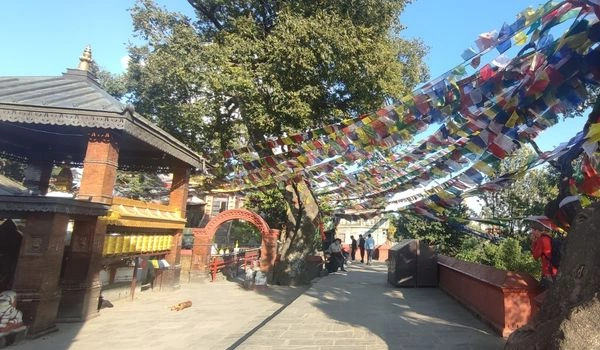
Are you worried that the route you planned for the Langtang Trek is no longer available?
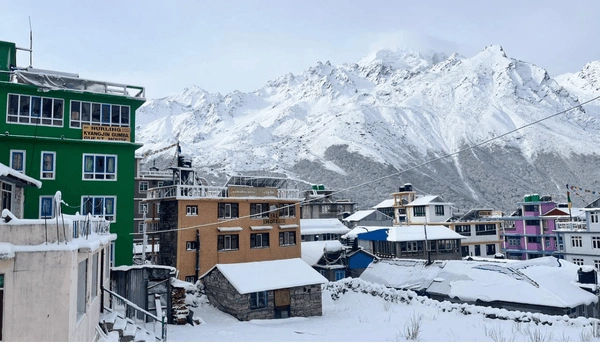
For many trekkers, Langtang begins long before the actual trail. It began with the drive toward Syabrubesi. After arriving in Syabrubesi, the anticipation of seeing the mountains, the small villages, and the peaceful atmosphere increased for every trekker. But after this recent massive flood of the Bhotekoshi-Trishuli, a part of this familiar journey has been completely disrupted. This familiar Langtang Trek route has changed. Roads have been damaged, bridges and river crossings have been swept away, and even the settlements have been wiped away; access to other nearby villages is also difficult. It has left many trekkers with a question: how can you reach Langtang after the 2026 flood?
But wait! It does not mean your whole Langtang adventure needs to be cancelled; a difficult road does not mean the end of your journey. It just means you need to look at the region differently now; you need to follow safety measures, postpone the trek, or choose alternative routes to the Langtang Trek.
In this blog, we will explore the alternative routes to the Langtang Trek and also look at possible approaches to the region, as well as alternative treks to Langtang. Additionally, we will discuss the current road and trail considerations and what the latest Langtang Trek road update means for travelers planning their journey. But let us make it clear that this is not about finding the route; your safety comes first, so you must plan accordingly with the latest update and information from an authorized source.
August 26, 2026: Bhotekosi-Trishuli Flood
August 26, 2026, will be remembered as a Black Day for Nepal, a day when the whole nation cried. On August 26, 2026, a massive flood disaster carrying rocks, mud, and debris occurred in the Bhote Koshi and Trishuli rivers, which began in the border area of Rasuwa, Timure.
As we all know, natural calamities and disasters don’t come with any warning, and the same thing happened on August 26, 2026. The day was not an ordinary day; the mountains roared that day, the Bhotekoshi-Trishuli River turned into a force of destruction, roads, humans, and even settlements disappeared, and bridges were swept away; businesses were destroyed, and vehicles disappeared beneath raging waters, and years of hard work and savings were lost in a matter of hours.
However, the greatest loss cannot be measured in money or infrastructure.
People lost their loved ones; mothers lost their children, children lost their parents, and families were separated; homes were emptied; countless people are still searching for their loved ones. Behind every destroyed house was a family; behind every lost vehicle or business were years of sacrifice, savings, and hope.
Ordinary life has been replaced by grief in the affected areas. The whole nation is mourning, not only for what the flood destroyed, but for the lives it took and the families it left behind. And for those who survived, the recovery will be long, painful, and filled with memories of the day when the river changed everything.
What Happened to the Langtang Trek Route After the Flood?
The Bhotekoshi-Trishuli flash flood did not just wash away a few sections of road. It changed the journey to Langtang. The road that once carried trekkers to Langtang Valley or Tamang Village, etc, local residents, supplies, and essential services toward the mountains has been damaged, creating a problem and making access to the region much more difficult.
A sudden surge of water came down the Bhote Koshi from the Tibetan side and swept through Timure and Syabrubesi in Rasuwa. This destructive flood damaged settlements, markets, and hydropower infrastructure, along with huge human loss in Syabrubesi. The flood not only swept away and damaged buildings, but it also destroyed and took away many road sections and bridges along the river corridor. So, it has disrupted the road network that connects Syabrubesi with Rasuwa, Timure, and Rasuwagadhi.
And for trekkers, it is very important to be informed about the condition of Syabrubesi because it is the usual gateway to the Langtang Valley. But now it is completely suspended as you are not able to drive to Syabrubesi.
Hence, the catastrophe did not affect or damage the entire Langtang Trekking trail; instead, it severely disrupted the gateway to the trek. Syabrubesi was hit by the flood, and the roads and bridges connecting the area were severely damaged. So, it is making the usual journey to the Langtang trailhead difficult and uncertain.
Is Langtang Valley Trek Still Possible?
This is the question almost every trekker wants answered, and the honest answer is that you must look separately for the road access and trekking trail, and we have also mentioned this already in our previous article. Click here to read!
Disrupted road conditions in Syabrubesi do not mean that the entire Langtang Valley Trek is destroyed or affected. However, it is important to be aware that the trek cannot continue as it did before. So, for now, the main concern is getting there safely with well-informed decisions from tourism professionals or authorized personnel.
And for the question of whether the Langtang Valley Trek is still possible, our answer is yes, it is possible, but using different routes and trails, and by checking the latest conditions from local authorities.
Which Areas Are Affected and Which Are Still Accessible?
The August 26 flood hit the Rasuwa River corridor very hard, with Syabrubesi, Timure, and Rasuwagadhi being directly affected and the worst-hit areas, with damage to settlements, markets, bridges, and roads. About which areas are affected and which areas of the Langtang region are still accessible, we have prepared a table to make it easy for you.
|
Area
|
What Happened/Current Situation
|
Trekking Access Status
|
|
Syabrubesi
|
It was directly affected by the flood and swept away the settlements, markets, and infrastructure.
|
Suspended
|
|
Chilime
|
Settlements affected by the flood, filled with debris and mud. Chilime hydropower area was hit.
|
Suspended
|
|
Timure
|
Rasuwa Customs Office, Schools, police stations, vehicles, homes, and shops were visited.
|
Suspended
|
|
Mailung
|
Damaged houses, roads, bridges, farmlands, police offices, Trishuli-2 Hydropower’s Mailung Tunnel
|
Suspended
|
|
Betrawati
|
Over a hundred houses, roads, bridges, and other infrastructure are damaged. The Betrawati Bazar is heavily buried under mud and debris
|
Suspended
|
|
Langtang Valley
|
Unaffected
|
Can be accessed via Sudarijal-Chisapani Route
|
|
Gosaikunda
|
Unaffected
|
Access via Sundarijal-Chisapani trail
|
Note: The upper trail and Langtang region are not affected by the flood.
Alternative Routes to Langtang Trek After the August Flood
As mentioned earlier, the August flood has made the usual approach to Langtang difficult, so trekkers now need to think beyond the traditional, usual route. In current time, we don’t suggest you travel or make plans because the monsoon is still on and there might be heavy rain, chances of landslides, etc.
But no need to worry if you already have your plans, your time is fixed, and you are hoping to complete the Langtang Trek; there is one alternative route that currently stands out as the most practical option.
The Best Alternative: Sundarijal to Langtang via Gosaikunda
This route will not start from the usual drive to Syabrubesi; instead, this route will begin from Sundarijal and will take you through the hills toward Langtang. Most interestingly, this route combines two Himalayan experiences along the way.
Route: Sundarijal → Chisapani → Kutumsang → Mangengoth → Thadepati → Lauribina Pass → Gosaikunda → Chandanbari → Thulo Syabru → Sherpagaon → Pairo → Bamboo → Rimche → Gumnachowk → Ghoda Tabela → Thyangsyapu → Chyamki → Langtang Village → Mundu → Singdum → Yamphu → Kyanjin Gompa
It is a bit longer and more demanding a route than the usual one. So, you should be well prepared for additional trekking days, higher costs, and more planning. But you will receive a special reward: You will not simply reach Langtang; you will experience Gosaikunda and walk through the beautiful Himalayan landscapes on the way.
Speaking about Gosaikunda, one of the main highlights is Gosaikunda Lake. It is a sacred and religious lake that is revered by Hindus and Buddhists.
There is an interesting story about the formation of this lake. Let me tell you, according to Hindu tradition, Lord Shiva was feeling thirsty and was walking in search of water, and when he reached the place (where Gosaikunda is present today), he struck the ground with his trident (Trishul) to obtain the water, and the Gosaikunda Lake was formed. Many religious pilgrims and devotees visit Gosaikunda during the Janai Purnima festival every year, which usually falls in August.
So, take some time to stand beside the blue water and praise the formation of god himself. You will be surrounded by high mountains, and this combination of blue water and mountains will undoubtedly add a different spiritual and scenic dimension to your Langtang region.
Now, from Gosaikunda, the trail continues toward Thulo Syabru and eventually joins the Langtang Valley route. You will be walking through peaceful forests, traditional villages, mountain landscapes, and finally reach Langtang Village and Kyanjin Gompa.
Yes, it costs more, and yes, it takes longer. You will also need more preparation. But if reaching Langtang is important to you, this longer journey will turn an unexpected obstacle into an even richer Himalayan adventure.
What About Other Alternative Routes?
There are other ways to approach or connect with the Langtang region, but these should not be treated as simple last-minute substitutes. Most of them require additional planning, extra trekking days, higher budgets, permits, and careful checking of trail and road conditions. Another important factor is that the monsoon is still active. Rainfall will make trails and streams slippery, and the trails may become more challenging. Similarly, there is the possibility of landslides, swollen rivers, and streams. So, other routes should not be treated as a simple last-minute detour. Likewise, it is very important to check the latest trail and weather conditions. You must allow extra time in your itinerary, travel with proper equipment and remaining flexible is also equally important.
Rather than taking an unfamiliar alternative route just to reach Langtang, why not let the mountains choose a new path? Nepal is home to countless beautiful trekking destinations, and if conditions make Langtang difficult or unsafe, you can always explore another trail or a new landscape. You can postpone Langtang and plan for another Himalayan experience. Explore other alternative treks below.
Alternative Treks to Consider Instead of Langtang
Yes, Langtang is a very beautiful destination where mountains feel really very close to you, but the current condition has created a different scenario, and you do not have to give up because Nepal has many more such places and trails in almost every region, in every direction from east to west. Surprisingly, each of them offers its own uniqueness, landscapes, villages, culture, and mountain views.
Here are some excellent alternatives to consider:
Mardi Himal Base Camp Trek
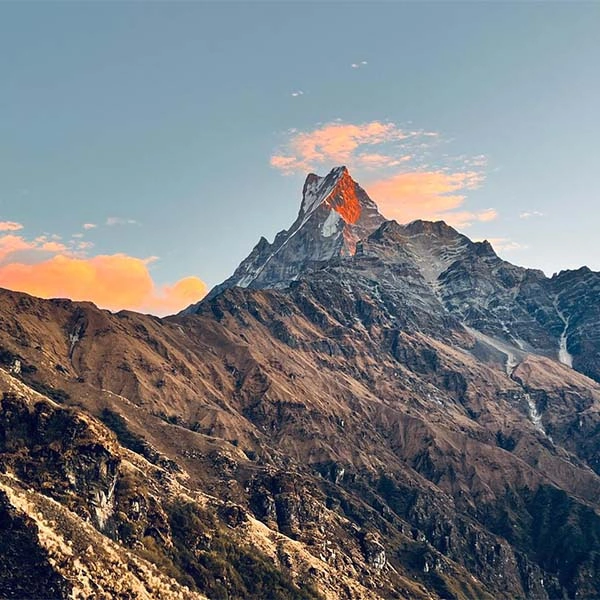
Mardi Himal Base Camp stands at 45,00 meters above sea level and can be completed in around 5-7 days, and the difficulty level of this trek is moderate. So, if you want to replace Langtang with a trek that also feels like a true Himalayan adventure, then Mardi Himal is one of the best choices. The trail to Mardi Himal Base Camp is really mesmerizing and will take you from lush rhododendron forests to open mountain ridges. It will eventually bring you remarkably close to Machhauchhre (Fishtail) and the Annapurna range.
Likewise, if you were dreaming of walking through quiet forests, standing beneath enormous Himalayan peaks, and waking up to a mountain panorama, then Mardi Himal is a wonderful alternative to Langtang.
Located in the Annapurna region, this trek will make you fall in love with it because of the mesmerizing mountain, Machhapuchhre (Fishtail), smiling at you. It seems to rise directly in front of you. Likewise, from the upper parts, you can enjoy striking views of Machhapuchhre, Annapurna South, Hiunchuli, and other peaks of the Annapurna range.
Additionally, the trail will take you through traditional Gurung Villages where terraced fields, local homes, small teahouses, and everyday mountain life give you a glimpse of Nepal. Why choose Mardi Himal Base Camp as an alternative?
It is a particularly good choice if you want to change your destination rather than take an uncertain alternative access route. It offers you several mountain experiences that make a Himalayan Trek special, such as mountain views, forests, traditional villages, high-altitude landscapes, and teahouse stays.
Major Highlights of Mardi Himal Trek:
- Close-up and clear Machhapuchhre views
- Annapurna South and Hiunchuli views
- Rhododendron Forests
- Beautiful mountain ridges
- Traditional mountain villages
- A quieter trekking experience
Ghorepani-Poon Hill Trek: Short and Beautiful Trek
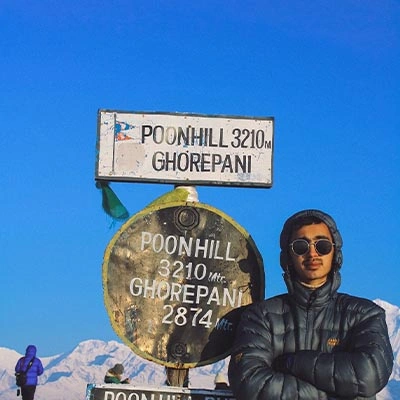
If you have limited time or want a less demanding trek, then Poon Hill is perfect for you. This trek is suitable for beginners also, as it is 3,210 meters above sea level and can be completed in around 4-5 days. The difficulty of the trek is easy to moderate.
During this trek, you will pass through charming and ethnic villages as well as the Rhododendron forests. Poon Hill is famous for its spectacular sunrise view over the Annapurna and Dhaulagiri ranges.
The Ghorepani-Poon Hill Trek is a short trek, but it is packed with experiences that will truly make you feel close to the Himalayas. The biggest highlight of this trek is the early-morning climb to Poon Hill, where you can watch the first rays of sunlight slowly touching the peaks of the Annapurna and Dhaulagiri ranges. The golden mountain views at sunrise are unforgettable and are one of the main reasons trekkers choose this trek.
The journey also takes you through villages inhabited by Gurung and Magar communities. This will allow you to experience the local culture, traditional homes, and everyday village life. You can settle into welcoming teahouses, enjoy warm local meals, and rest in the peaceful mountain surroundings. The combination of spectacular sunrise views, giant mountains, colorful forests, welcoming people, and teahouse stays makes Poon Hill a rewarding alternative for trekkers. It is perfect for first-time trekkers and for those who want big Himalayan views without committing to a long trek.
Major Highlights of Ghorepani Poon Hill Trek
- Sunrise from Poon Hill
- Annapurna and Dhaulagiri panoramas
- Ghorepani Village
- Rhododendron Forests
- Gurung and Magar villages and ethnic groups
- Comfortable teahouse experience
Gosaikunda Trek: Perfect Trek for Mountains, Lakes and Spirituality
Located at 4,380 meters above sea level, this trek can be reached in around 5-7 days depending on the itinerary and is considered a moderate to challenging trek. If you not only want to see the mountains but also want to experience the cultural and spiritual aspects, then the Gosaikunda Trek is an ideal alternative. Gosaikunda Trek will take you through peaceful forests, traditional mountain settlements, and rugged high-altitude landscapes, and finally to the Gosaikunda Lake.
We are reminding you again: Gosaikunda Lake is one of Nepal’s most sacred holy lakes and was formed by Lord Shiva when he struck his trident on the ground here when he was thirsty. The deep blue lake is believed to have a powerful spiritual presence and is especially important to Hindu pilgrims and is surrounded by dramatic mountains. This region gives a unique blend of Hindu and Buddhist traditions. From giant mountains to quiet village trails and to the sacred lake, the Gosaikunda trek will offer a wonderful combination of nature, adventure, spirituality, and culture.
Major Highlights of Gosaikunda Trek:
- Sacred Gosaikunda Lake
- One of the most challenging and rewarding sections: Laurebina Pass
- High-Altitude Landscapes
- Mountain Panoramas
- Traditional Villages
- Hindu and Buddhist Heritage
Helambu Trek: A Quieter and Cultural Trek
Located at around 3,650 meters above sea level, the Helambu Trek can be one of the best alternatives to the Langtang Valley Trek, can be completed in around 5-7 days and is of moderate difficulty.
If you want mountains, peaceful trails, and authentic village life, the Helambu is a wonderful alternative as it is located relatively close to Kathmandu. The trek takes you through pine and rhododendron forests, green hills, mountains, and traditional villages where Sherpa and Tamang culture remains an important part of daily life. Once you reach Thadepati, it will offer beautiful mountain views and a rewarding high-altitude experience.
Choosing the Helambu Trek is choosing a shorter, quieter, and richer trek in both mountain scenery and culture than Helambu is a compelling choice. Instead of taking an uncertain route toward Langtang, you can explore a different Himalayan landscape and enjoy the villages, forests, mountains, and peaceful trails, and peaceful trails that make trekking in Nepal so special.
Major Highlights of the Trek:
- Mountain Scenery and beautiful Himalayan views
- Rhododendron and pine forests, including refreshing woodland trails
- Traditional Villages
- Sherpa and Tamang Culture
Annapurna Base Camp Trek
If changing your Langtang plan means you have a little more time, why not turn that change into something unforgettable? The Annapurna Base Camp stands at 4,130 meters above sea level, and the trek can be completed in 7-10 days, though it can be moderate to challenging.
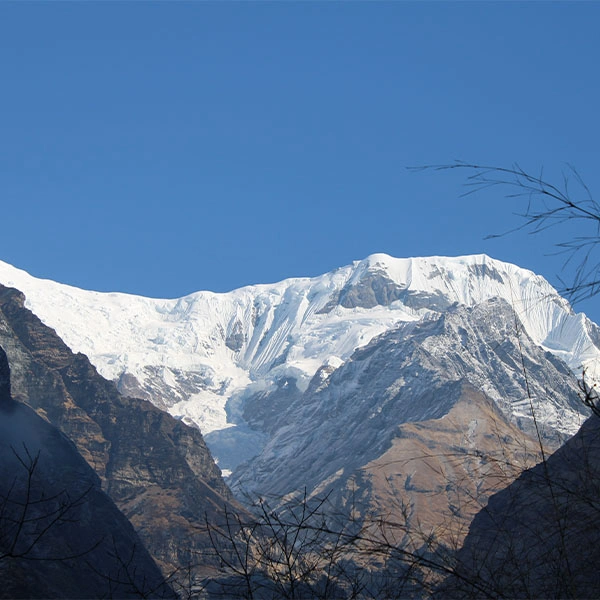
The Annapurna Base Camp Trek takes you deep into the heart of the Himalayas, where the mountains seem to grow closer with every step. The trail passes through beautiful Gurung villages, lush bamboo and rhododendron forests, peaceful mountain settlements, and dramatic Himalayan valleys before leading you into the spectacular Annapurna Sanctuary. Along the way, you will also reach Machhapuchhre Base Camp, standing beneath the iconic Fishtail Mountain, before continuing toward Annapurna Base Camp. Imagine waking before sunrise, stepping outside into the cold mountain air, and watching the first golden light touch the snowy peaks! It is the kind of moment that stays with you forever. You will also have opportunities to experience local hospitality, taste traditional food, and walk through centuries-old mountain communities.
Major Highlights of the ABC Trek:
- Annapurna Base Camp
- Machhapuchre Base Camp
- Annapurna Range
- Gurung Villages
- Bamboo and Rhododendron forests
- Giant and dramatic Himalayan Views
- Sunrise and sunset mountain views
Final Thoughts
To sum up, a flood may change a trail, a road, or even a travel plan, but it cannot take away the mountains of Nepal and the spirit of the people who call them home. If you are determined to reach Langtang, the alternative route through Sundarijal can turn a difficult journey into an even richer adventure. But if conditions are uncertain, then please do not take unnecessary risks. Nepal has many beautiful alternative treks from Kathmandu. Each of them offers its own story, scenery, and experience.
The mountains are not going anywhere; only a few areas are disrupted. Nepal still waits for you; Nepal is still welcoming you. Respect the land, and support the communities rebuilding after the flood.
Planning your Langtang Trek?
Whether you want to explore the alternative routes to Langtang, choose another trek, or simply wait until the usual trail is safe again, our team can help you plan your journey with the latest information and practical guidance.
Get in touch with us before you travel!
Frequently Asked Questions About Alternative Routes to Langtang
Is there an alternative road to Langtang after the flood?
Yes, there is alternative road to Langtang that you can follow after the flood as the usual gateway, Syabrubesi is disrupted by the massive flood on Augustt 26th, 2026. One of the alternative route is : Sundarijal → Chisapani → Kutumsang → Mangengoth → Thadepati → Lauribina Pass → Gosaikunda → Chandanbari → Thulo Syabru → Sherpagaon → Pairo → Bamboo → Rimche → Gumnachowk → Ghoda Tabela → Thyangsyapu → Chyamki → Langtang Village → Mundu → Singdum → Yamphu → Kyanjin Gompa
Can I still do the Langtang Valley Trek?
The possibility of doing the Langtang Valley Trek depends on the condition of the roads, bridges, and trekking trils as the usual route is disrupted. You can follow a longer alternative approach and go for Langtang Valley Trek. But remember, safety should always come before completing the trek.
Is Syabrubesi accessible right now?
No, Syabrubesi is completely suspended and one of the worst-hit areas by the August flood. Roads, bridges and other physical infrastructure, including human lives and settlements of Syabrubesi are washed away.
Is Tamang Heritage Trek currently possible?
The honest answer is no with a regular route. The trails, roads, and bridges connecting to Tamang Heritage Trek is swept away the destructive flood.
Can I reach Langtang without traveling through the damaged road?
Yes, a longer trekking approach via the Sundarijal, Gosaikunda, and Thulo Sybaru can be considered for the Langtang trek. It is currently safe and is not affected by the flood. So, yes you can reach Langtang without traveling through the damaged roads. But be prepared for additional days, additional preparation, and additional cost.
What is the best alternative trek to Langtang?
Mardi Himal Trek is one of the best alternatives for travelers looking for a medium Himalayan adventure with majestic mountain views. Additionally, Poon Hill Trek, Gosaikunda Trek, Helambu, and Annapurna Base Camp can also be considered the best alternative. However, it depends on your available time and trekking preferences. We also provide vegetarian and vegan-friendly trekking on this trail if you inform us during the booking.
Is Gosaikund Trek open after the flood?
Yes, the Gosaikunda Trek is open after the flood, but the starting point is different, either via Sundarijal or Dupcheshwor. However, we suggest confirming the current conditions before departure.
Should I postpone my Langtang Trek?
No, if you have booked with a reputable company with many years of experience, you can comfortably complete your trek with more focus on safety and caution. This will also be a big contribution to local business in that region, which will help them to sustain themselves in these calamities.