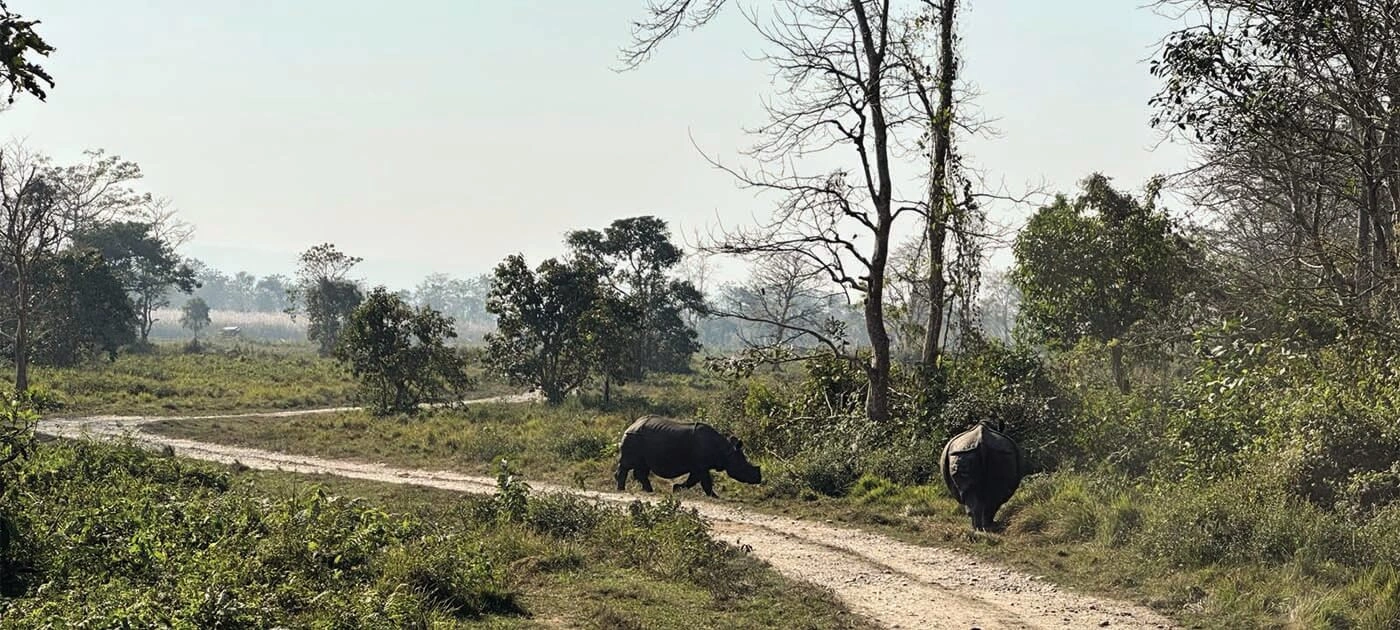
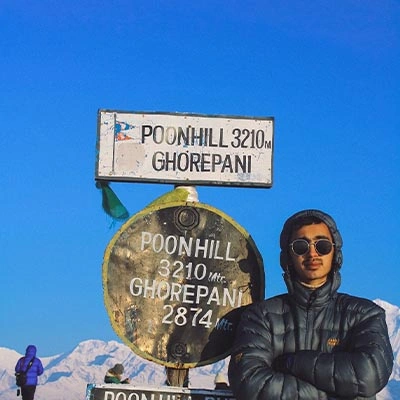
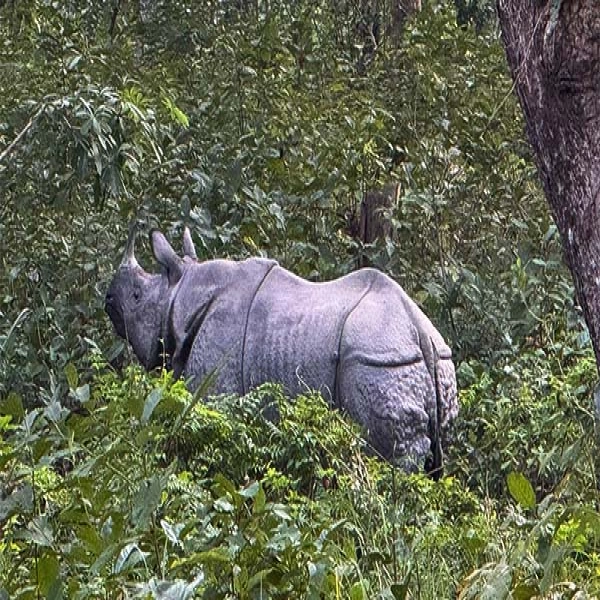
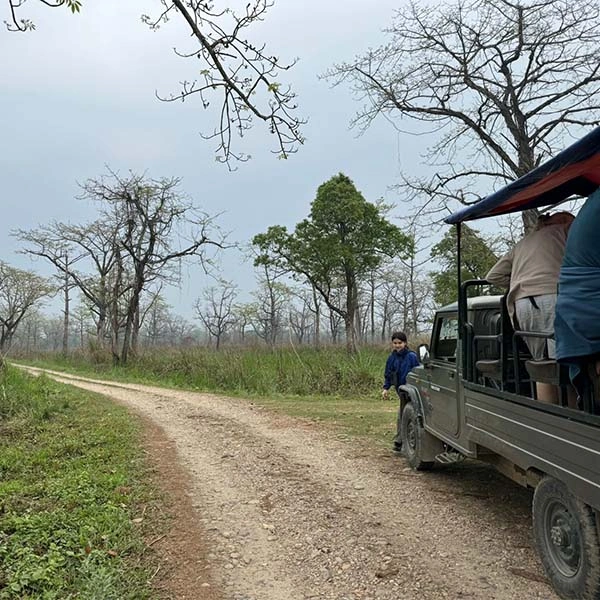
What if your Nepal adventure could take you from the high Himalayas to the heart of a peaceful jungle? Yes, a Chitwan National Park tour offers a completely different side of Nepal, where jungle trails, wildlife, rivers, and Tharu culture replace mountain paths and high-altitude landscapes. Chitwan is home to plenty of wildlife, including the one-horned rhinoceros and Bengal tiger, and is recognized as a UNESCO World Heritage Site.
So, whether you are looking for a wildlife tour in Nepal, a relaxing break after trekking, or a fun nature and culture experience with children, Chitwan has something for all. Here, you can enjoy Nepal at a slower and more exciting pace. In this article, we will look at Chitwan National Park tour packages, how Chitwan works as a relaxing break after a trek, and why it can be an enjoyable and educational destination for families traveling with children
Key Highlights
- Explore Chitwan’s wildlife: birds, animals, and other species found in the park.
- What to expect: safaris, jungle walks, canoe rides, elephant breeding center, and birdwatching.
- See why Chitwan makes a refreshing change after days of walking through Nepal’s mountains.
- Learn about activities that can turn a wildlife trip into a fun, educational family experience.
- Experience the indigenous Tharu community and their culture.
- Best time to visit, what to pack, and what to expect during your stay.
- Understand how two national parks differ and which type of experience each destination offers.
Quick Facts About Chitwan National Park
|
Location
|
Southern/central Terai of Nepal, spanning across Chitwan, Nawalpur, Parsa, and Makawanpur districts.
|
|
Established
|
1973 AD
|
|
UNESCO Status
|
Listed in Unesco World Heritage Site since 1984
|
|
Main Wildlife
|
One-horned rhinoceros, royal Bengal tiger, Gharial crocodiles, deer, Asian elephant, sloth bear, leopard, Great hornbill, Bengal florican, kingfishers, etc.
|
|
Activities
|
Jeep Safari, canoe, nature walk, birdwatching, culture
|
|
Main cultural experiences
|
Tharu culture
|
|
Nearest Airport
|
Bharatpur Airport
|
Introduction: Nepal is more than Mountains
When people think of Nepal, the first image that often comes to mind is snow-covered mountains and trekking trails, so they often miss another side of Nepal. Travel beyond the Himalayas, and you will discover a very different Nepal: one of dense forests, winding rivers, grasslands, wildlife, and vibrant local culture.
At the heart of this experience is Chitwan National Park. Established in 1973, Chitwan National Park is Nepal’s first national park, located in the southern Terai and covering 932 sq. km. Similarly, the national park was listed as a UNESCO World Heritage site in 1984.
It protects important habitats for the one-horned rhinoceros and Bengal tiger, along with dozens of other mammals, reptiles, and hundreds of bird species.
A Chitwan National Park tour lets you experience this side of Nepal through jeep safaris, canoe rides, jungle walks, birdwatching, and Tharu cultural experiences.
What is Chitwan National Park Famous For?
The Himalayas show you Nepal at its highest, and Chitwan National Park shows you Nepal at its wildest. Chitwan National Park is known for its rich Terai wildlife, diverse landscapes, and conservation importance. It was established in 1973 as Nepal’s first national park and listed as a UNESCO World Heritage Site in 1984. Chitwan National Park protects forests, grasslands, wetlands, and river ecosystems across the southern-central Terai and supports an impressive variety of wildlife.
But what exactly makes Chitwan National Park so famous? We have listed the experiences, wildlife, landscapes, and cultural features the national park is particularly known for.
- One-Horned Rhinoceros: One of the animals that is most closely associated with Chitwan is the greater one-horned rhinoceros, and the national park protects one of the world’s important populations of this species and provides habitat where these large animals can move through grasslands, forests, and riverine areas. Furthermore, UNESCO identifies Chitwan National Park as home to one of the last remaining populations of the one-horned rhinoceros in Asia.
- Royal Bengal Tigers: If you want to witness a Royal Bengal tiger really close to you, then Chitwan National Park offers a chance to witness one of Asia’s most magnificent wild animals in its natural home. Likewise, Chitwan National Park is one of the last refuges of the Bengal tiger. However, a tiger sighting can be much harder than spotting a rhino because tigers are elusive and spend their time hiding in dense bushes. This unpredictability is exactly the part of what makes wildlife watching in Chitwan exciting.
- A Rich Variety of Wildlife: The park is not simply a destination for rhino and tiger sightings; it also supports a wide range of mammals, reptiles, amphibians, fish, and birds. According to the Nepal Tourism Board, there are currently 56 mammal species and 49 species of amphibians and reptiles, including deer, gaur, wild boar, leopard, sloth bear, monkeys, wild dogs, wild cats, pythons, gharials, etc.
- Gharials and Crocodiles: The rivers and wetlands of Chitwan create another fascinating side of the park, and you may encounter gharials and marsh mugger crocodiles along the river banks and wetland habitats. The gharial is particularly significant, and the Narayani River supports one of the remaining populations of the endangered gharial. It is a distinctive crocodilian with a long, narrow snout adapted mainly for catching fish. This is why a canoe ride in Chitwan is special and different from a land safari, as you will be exploring the wildlife habitat from the river itself.
- Exceptional Birdlife: Besides the wildlife, the park is also home to hundreds of bird species, including colorful kingfishers, hornbills, egrets, storks, herons, woodpeckers, and many species of eagles and owls, as well as other migratory birds. You can visit in the early morning for a rewarding experience when you can hear the birdsong and activity.
- Jungle Safari Experiences: Chitwan National Park is mostly renowned for its exciting jungle safari experiences where you can explore the beautiful forests and grasslands, spotting wildlife and a wide variety of birds. It is one of the great ways to experience the wild side of Chitwan and enjoy nature up really close to you.
- Tharu Culture and Local Traditions: When speaking about the Chitwan National Park, Tharu culture and traditions automatically come with it. They are an indigenous community that has lived in the region for centuries. You can perfectly combine your time in nature with opportunities to learn about Tharu traditions, villages, local lifestyles, museums, and cultural performances.
- Rivers, Wetlands, and Lakes: Water is an important part of Chitwan’s ecosystem, and the region is known for its beautiful rivers, lakes, and wetlands, which make the place special. Bishazari Tal (20,000 lakes) is one of the area’s most popular wetland destinations, surrounded by forests and rich in birdlife and wildlife. Similarly, the Narayani River, along with other rivers and smaller lakes around Chitwan, is also one of the factor that makes Chitwan special.
Why Choose a Chitwan National Park Tour?
A Chitwan National Park tour is worth considering if you are looking for a break from the usual sightseeing and if you want to experience a different pace of Nepal without committing to a challenging trek. Instead of spending your days climbing higher, choose Chitwan to enjoy the lowlands with guided activities, local experiences, and comfortable stays.
What makes the Chitwan tour particularly special and practical is its flexibility. It works as a wildlife holiday, a family trip, a cultural experience, or a relaxing stop after trekking.
We have listed a few points on why Chitwan National Park stands out and why you should choose it as your next destination.
A Refreshing Break After Trekking
After days of trekking through Nepal’s mountains, you may need a break, but it doesn’t mean your journey has to slow down completely. You can choose Chitwan for a completely different experience. You can head into the jungle, take a quiet canoe ride, look for rhinos and other wildlife, or simply spend a slow afternoon at your hotel or resort. Similarly, you can get a chance to experience Nepal from a completely different perspective where you can explore and collect unforgettable memories without tiring your body.
Best option for Families with Children
Imagine your children waking up to the chirping of birds, going into the jungle for a rhino, and watching a crocodile resting by the river? For families, Chitwan offers a very different side of Nepal. Chitwan offers a fun break from busy cities and mountain walks. Children can see animals, explore forests and rivers, and learn about nature and how we can protect it. Instead of spending the whole trip visiting cities or walking mountain trails, children can spend their time outdoors, exploring forests, rivers, and grasslands.
A jeep safari or guided jungle walk with your family can turn into a small adventure. You might spot a one-horned rhino, deer, monkeys, wild boar, or colorful birds along the way. Tigers also live in the park, but seeing one is never guaranteed; that uncertainty is part of what makes a wildlife safari exciting. Wait, the experience is not only about animals! A canoe ride on the river gives children a chance to look for crocodiles and water birds from the water.
Likewise, families can visit Tharu communities, see traditional houses, and learn about local life.
Experience Tharu Culture Alongside Wildlife
Chitwan is more than jungles and wild animals. You will learn about the rich culture and everyday life of the Tharu people if you step outside the national park. Tharu people are considered one of the long-established communities of the Terai. Plan a visit to a Tharu village, see traditional homes, try local food, and watch cultural performances with music and dance. These simple experiences will give you a closer look at how people in the area live and keep their traditions alive.
Almost forgot to mention an important thing! Yes, there are several Tharu dishes you can try. If you are trying for the first time, some dishes may look unusual, but that is part of the experience. You can try Dhikri, also called Bhakka, steamed rice-flour dumplings, Ghongi, freshwater snails cooked with local spices, or Sidhara, made from dried fish and other local ingredients.
A Great Place For Those Who Love Photography
If you are someone who loves photography, then Chitwan gives you a completely different kind of pictures. Yes, there are no snowy mountains in the frame! But you can capture rhinos moving through tall grass (sometimes even in the streets), colorful birds sitting on branches, crocodiles along the river, and sunlight filtering through the forest.
During your safari, you can also get some unexpected moments like spotting a deer crossing the road, monkeys playing in the trees, a bird taking off just as you raise your camera, and many more. There is no schedule in wildlife, so you never know what you might see; just be ready for the perfect click.
Do not assume that the jungle is the only place to photograph, because there is plenty to photograph outside the jungle. Tharu villages, traditional homes, local people, cultural dances, rivers, farmlands, and everyday village life can add a human side to your photos. Therefore, Chitwan National Park and the area are really a charm for photographers.
Chitwan National Park Tour Packages
What are you planning for ? A short wildlife getaway, a relaxing break after trekking, or a family adventure? Choosing the right Chitwan National Park tour package can make your trip easier to plan. We have made it easy and prepared a few packages that combine wildlife experiences, nature, local culture, and comfortable travel, based on different trip lengths and interests.
Explore our Chitwan National Park tour packages below and choose the itinerary that fits your Nepal adventure.
Now, if you are ready to experience the wildlife, culture, and relaxed side of Nepal, and have questions or need help choosing a package, then contact us, and our team will help you customize the perfect itinerary for you.
What Can You Do on a Chitwan National Park Tour?
We have already indirectly mentioned the answer to this in why choose Chitwan National Park and what is the park famous for. So, in this section, we will be directly addressing the answer to what you can actually do on a Chitwan National Park Tour.
- Go on a jeep safari: It is one of the most popular ways to explore the park, and it allows you to travel deeper into the forest and grassland areas while looking for wildlife in their natural habitat. Along the way, you might spot a one-horned rhino standing in the grass, a group of deer crossing the road, monkeys climbing and shouting from the trees, and colorful birds flying overhead. Similarly, near the rivers you will see crocodiles resting on the banks.
- Take a canoe Ride: If you want something extra, then take a canoe ride along the river instead of traveling through the forest and observe the area from the water. But be aware and keep an eye along the riverbanks for gharials, marsh mugger crocodiles, waterbirds, and other wildlife.
- Go for Birdwatching: You can plan for birdwatching as Chitwan is a rewarding destination for bird lovers. The park’s combination of forests, grasslands, rivers, and wetlands provides habitat for a remarkable variety of birds. You can look for hornbills, storks, kingfishers, woodpeckers, waterbirds, raptors, and other seasonal migratory species.
- Visit the Gharial Breeding Center and Elephant Breeding Center: You can add conservation education along with wildlife experience in Chitwan. At the Gharial Breeding Center, you can learn about the conservation efforts to protect the critically endangered gharial and understand the challenges involved in preserving this unique species.
Likewise, a visit to the Elephant Breeding Center offers an opportunity to learn about elephant conservation, breeding, and care. Together, these centers provide you with a deeper understanding of the work being carried out to protect Nepal’s threatened wildlife.
- Enjoy a Relaxed Evening After Your Activities: You don’t need to be packed by the activities every time. After a safari, canoe ride, or wildlife excursion, you can return to your hotel or resort, enjoy a relaxed meal, and enjoy the nearby surroundings. The slower pace of the evening gives you time to rest and enjoy the natural atmosphere of Chitwan. Additionally, in the evening you can go for a Tharu cultural show, try some Tharu dishes, and relax peacefully.
What Birds and Animals Can You See in Chitwan National Park?
As mentioned above, the national park is home to 56 species of mammals, 49 species of amphibians and reptiles, and 525 species of birds. During a safari, jungle walk, or canoe ride, you may have the chance to see several species in their natural habitats like
- Greater one-horned rhinoceros
- Royal Bengal tiger
- Asian wild elephant
- Gaur
- Leopards
- Sloth bears
- Wild boar, rhesus monkey, and langur monkeys
- Gharial and marsh mugger crocodiles
- Python
Birds like:
- Paradise Flycatcher
- Indian Pitta
- Parakeets
- Waterfowl
- Brahminy Ducks
- Pintails
- Bar-headed geese
- Cormorants
- Migratory birds from Siberia
Chitwan National Park With Children: Is It a Good Family Trip?
Taking your children on a wildlife adventure sounds exciting, but it is not always easy to walk with children, and you may wonder whether Chitwan National Park is really a good destination for a family holiday. The answer is yes; it is definitely one of the best destinations for a family holiday.
But please be aware that it is not the destination where children are entertained every minute with amusement parks, games, or screens. Instead, it offers something much more memorable, that is, the chance to wake up to birdsong, travel quietly through the jungle, spot a rhinoceros, and watch crocodiles resting beside a river.
Chitwan is one of the most exciting parts of a trip to Nepal for many children, especially those who enjoy animals and outdoor adventures.
Why Chitwan is Wonderful With Children
One of the biggest advantages of visiting Chitwan with children is that wildlife makes the experience naturally engaging. Likewise, the national park tour gives them something they cannot experience in a normal city holiday: the chance to see nature up close, in its own environment.
The excitement for them starts immediately after hearing about going into a real jungle. Yes, they may have definitely seen rhinos, crocodiles, deer, monkeys, or tigers in books and on television, or in the zoo, but seeing a wild rhinoceros standing quietly in the grass is completely different. You will be sitting in a jeep and watching them from a safe distance.
Another interesting thing about the tour is that feeling of not knowing what you might see next! One moment, the guide may be pointing out deer in the distance. A few minutes later, everyone in the jeep might suddenly become quiet because there is an elephant or rhino somewhere among the bushes chewing the grass. Children naturally become curious and start looking carefully between the trees, asking questions and trying to spot animals before others.
And don’t wonder that Chitwan is only about seeing the “big” animals. Your children can discover colorful birds, monkeys moving, crocodiles resting, animal footprints, insects, and other flora and fauna, including the sounds coming from the places they cannot see.
Furthermore, Chitwan works well for families because there are different ways to experience the area. If your child gets bored sitting in a jeep, then take them to a quiet canoe ride on the river.
Chitwan National Park After a Trek: Why It Makes Sense
There is a different kind of tiredness that comes aftertwo weeks in the Himalayas, the kind that lives in your knees, your shoulders, and the soles of your feet. You have been climbing since dawn most of the days, breathing thin air, and staring at the same magnificent peaks. And then the trek ends, and you are back in Kathmandu or Pokhara and wondering what to do with the rest of your trip. This is exactly the moment Chitwan quietly makes its case. It’s a complete change of altitude, pace, and temperature, and your body will undoubtedly thank you for it.
Chitwan sits in the low, warm Terai plains, where the air is thick and green-smelling. You are not climbing anymore; you are floating down a river in a canoe, or sitting in a jeep, or walking flat jungle trails. After days of trekking and legs doing all the work, Chitwan lets your body recover while your mind stays occupied.
One important thing you and your kid should keep in mind is that animals do not appear simply because you have arrived. Sometimes you see several animals within a short time, and sometimes you spend a long while searching and see only a few. It can be disappointing for a child, but when finally something appears, it feels much more special.
An elephant slowly walking in the grass, a crocodile lying motionless beside the river, a peacock suddenly appearing on the trail- these are the simple moments, but they are the special moments children remember after the holiday is over.
From mountain trails to jungle trails
Chitwan will offer you one more dose of aliveness before flying home. Walking through actual tiger territory on a guided jungle hike with a guide, spotting a one-horned rhino from twenty feet away, or watching a wild elephant herd cross the road in front of your jeeps is something unique. This contrast will make the second half of your trip feel completely new. You are not simply adding another destination; you are experiencing a different geographical and cultural side of Nepal.
Culturally rich in a completely different register
Trekking routes take you through Sherpa and mountain communities, and Chitwan opens the door to the Tharu people, indigenous to the lowlands, with their own distinct architecture, cuisine, and ethnicity. The drum-driven stick dance performed by the Tharu people around an evening fire is another interesting part. After weeks of mountain culture, this feels like discovering an entirely separate country or different place.
To conclude why the Chitwan trip makes sense, it is: the mountains tested your endurance, and Chitwan will reward it with warmth, wildlife, rivers, and a completely different, gentle kind of wonder. It will not ask you to stop your adventure; instead, it gives you a completely different one.
Entrance Fee for Chitwan National Park
You need to pay an entrance fee to visit Chitwan National Park, and the entrance fee contributes to the protection and conservation of its unique ecosystem.
|
SAARC Nationals
|
NPR 1,000 per person per day
|
|
Foreigners
|
NPR 2,000 per person per day
|
|
Nepalese
|
NPR 150 per person per day
|
Best Time for a Chitwan National Park Tour
Chitwan is a great destination to visit any time of the year, but each season offers a different experience; choosing the right time can make your safari much more enjoyable.
Autumn (September-November): The comfortable season
This is a peak and perfect season to visit Chitwan National Park because the monsoon rains have just washed the dust out of the air, the jungle is lush and green, and the temperature is pleasant. Similarly, visibility is excellent, trails are dry and comfortable to walk, and wildlife is active after months of rain refreshing the rivers and grasslands. During this season, some of the greatest festival of Nepal falls and are celebrated with great fanfare, so you can get a chance to catch some cultural energy alongside the wildlife.
Winter (December-February): Cool and Quiet
During the winter season, mornings are very cold and foggy, but afternoons turn mild and sunny. The grass is shorter and makes animal spotting easier, and there is less cover for rhinos and deer to hide in. Unlike the autumn season, it is less crowded, and fewer visitors are there, so you can enjoy more personal safari experiences with a peaceful atmosphere.
Spring (March-May): Wildlife-Spotting at Its Finest
If you want to really get the best wildlife view, then the best window is the spring season. During this season, fresh grass brings animals out into the open to graze. As rivers shrink, wildlife gathers around the remaining waterholes, making tiger and rhino sightings more likely. You can also spot deer, rhinos, and other wildlife with more activity and better visibility. Although the temperatures can rise above 30°C, the vibrant wildlife and beautiful scenery make spring a rewarding time to explore Chitwan.
Another Similar Option: Bardiya National Park
If Chitwan is Nepal’s polished and popular safari destination, Bardiya is its wilder, quieter cousin. Bardiya National Park is the place experienced travelers talk about when they want a more real and wilder jungle experience without the crowds.
Bardiya National Park is located in western Nepal, in the Bardiya district of Lumbini province, covers 968 sq. km, and is the largest national park in Nepal’s lowland Terai. Similarly, it is the least disturbed protected area and was established in 1988 specifically to protect Bengal tigers, and is particularly known for its Royal Bengal tigers, greater one-horned rhinoceros, wild elephants, swamp deer, and Gangetic dolphins. The river and wetlands of the national park also support gharials and marsh mugger crocodiles. Likewise, the forests provide habitat for a wide variety of birds.
Key Highlights of Bardiya National Park:
- Over 30 Bengal tigers and one of the best tiger-sighting destinations
- More than 120 one-horned rhinoceroses
- More than 230 species of birds, including the Bengal florican, lesser florican, silver-eared mesia, and sarus crane
- Over 30 mammals, including wild elephants, swamp deer, Gangetic river dolphin
- Diverse landscapes of sal forests, grasslands, riverine forests, and wetlands
- Popular activities include jeep safaris, jungle walks, birdwatching, and river excursions
- One of Nepal’s important protected areas for tiger and rhino conservation
- Peaceful and less-crowded destination for wildlife and natural experiences.
What Makes Bardia Different From Chitwan?
When comparing Bardiya with Chitwan, Bardiya receives far fewer visitors, which gives the park a quieter and more peaceful atmosphere. You will not encounter the steady flow of safari vehicles and visitor groups like in Chitwan. Interestingly, you will find the jungle more spacious and undisturbed, with long stretches of forest, grassland, and riverbank where you may encounter wildlife with very little human activity around you.
Likewise, Bardiya is particularly known for its wild tiger habitat, and the park supports a significant population of Bengal tigers; due to the low visitor numbers, you have a high chance of encountering them. However, sightseeings can not be guaranteed.
When mentioning the differences, the most important one is the development factor. Chitwan is more developed and easily accessible, and tourism-oriented. There are many safari industry,wider range of accommodation, restaurants, activities, and transport connections, making it relatively easy to plan a wildlife trip there.
Bardiya, in contrast, is more remote and less commercialized, with fewer large tourist developments, fewer visitors, and a stronger sense that the surrounding landscape exists primarily for wildlife rather than tourism.
These are ultimately what separate the two experiences. Chitwan feels like a well-established safari destination. Bardiya feels more like a journey into the jungle itself. To sum up, Chitwan is for those who value accessibility, convenience, and a well-developed safari experience, whereas Bardiya is for those willing to travel farther and accept less predictability in exchange for a quieter and more wilderness-oriented experience.
Final Thoughts
There is a reason Chitwan keeps pulling travelers back into Nepal’s itineraries even after the mountains have had their moment. The place doesn’t ask you to conquer anything, no summit, no altitude, no morning alarm for a sunrise view; it simply asks you to slow down, watch, and let nature do the rest. One morning you are drifting down the Rapti in a wooden canoe, passing a crocodile, and by evening you are watching Tharu dancers spinning around a bonfire.
What makes Chitwan more special is that it suits almost everyone; kids light up at the elephant breeding centre, adults enjoy the jeep safari and wildlife adventure, and grandparents can enjoy a gentle canoe ride or cultural show without breaking a sweat. It is the best destination that offers thrill and relaxation with culture, making it family-friendly and genuinely adventurous.
Frequently Asked Questions About Chitwan National Park
What is Chitwan National Park famous for?
It is Nepal’s first national park and a UNESCO World Heritage Site, and Chitwan National Park is famous for one-horned rhinos, Bengal tigers, jungle safaris, rich birdlife, forests, grasslands, rivers, and rich Tharu culture.
How many days do you need for Chitwan National Park?
A 2-night, 3-day Chitwan National Park tour is enough for a good introduction to the park and its main activities. However, if you have more time, you can stay longer for additional wildlife, nature, and culture experiences.
Is Chitwan National Park suitable for children?
Yes, Chitwan National Park is suitable for children and is a fun and educational destination for children. Wildlife watching, birdwatching, canoe rides, and cultural experiences will introduce them to animals, nature, conservation, and local culture.
What animals can you see in Chitwan?
You can see animals like the greater one-horned rhinoceros, Bengal tigers, deer, wild boar, gaur, monkeys, leopards, sloth bears, crocodiles, and many others in Chitwan National Park.
Can you see a tiger in Chitwan National Park?
Yes, Bengal tigers live in Chitwan National Park, but spotting one is not guaranteed because tigers are elusive and often hide in dense vegetation, so a sighting depends on factors like location, timing, and luck.
Is Chitwan good after a trek?
Yes, Chitwan is the best option to slow down and relax after a Himalayan trek, as you can enjoy jeep safaris, canoe rides, nature activities, cultural visits, and relaxed time at your accommodation.
What activities are available in Chitwan National Park?
Jeep safaris, canoe rides, jungle walks, birdwatching, wildlife viewing, visiting Tharu communities, and seeing Tharu cultural performances are the popular activities available in Chitwan.
Is Chitwan National Park safe?
Yes, Chitwan National Park is completely safe, but you need to follow park and guide instructions, and you need to stay with your guide during the activity time.
How do I get to Chitwan from Kathmandu?
There are many options to reach Chitwan from Kathmandu; you can reach it by tourist bus, public bus, private vehicle, or flight. Flights operate between Kathmandu and Bharatpur Airport, so take the option that you find convenient.
How to reach Chitwan from Pokhara?
From Pokhara, you can travel to Chitwan by tourist bus, private vehicle, or other road transport. You can also fly from Pokhara to Bharatpur when suitable flights are available, followed by a short road transfer.
Is Chitwan suitable for a family holiday?
Yes, Chitwan is suitable and works very well for a family holiday because it combines wildlife, nature, culture, and activities that can interest all age groups, and families can also use it as a relaxing addition after trekking or a wildlife trip in Nepal.