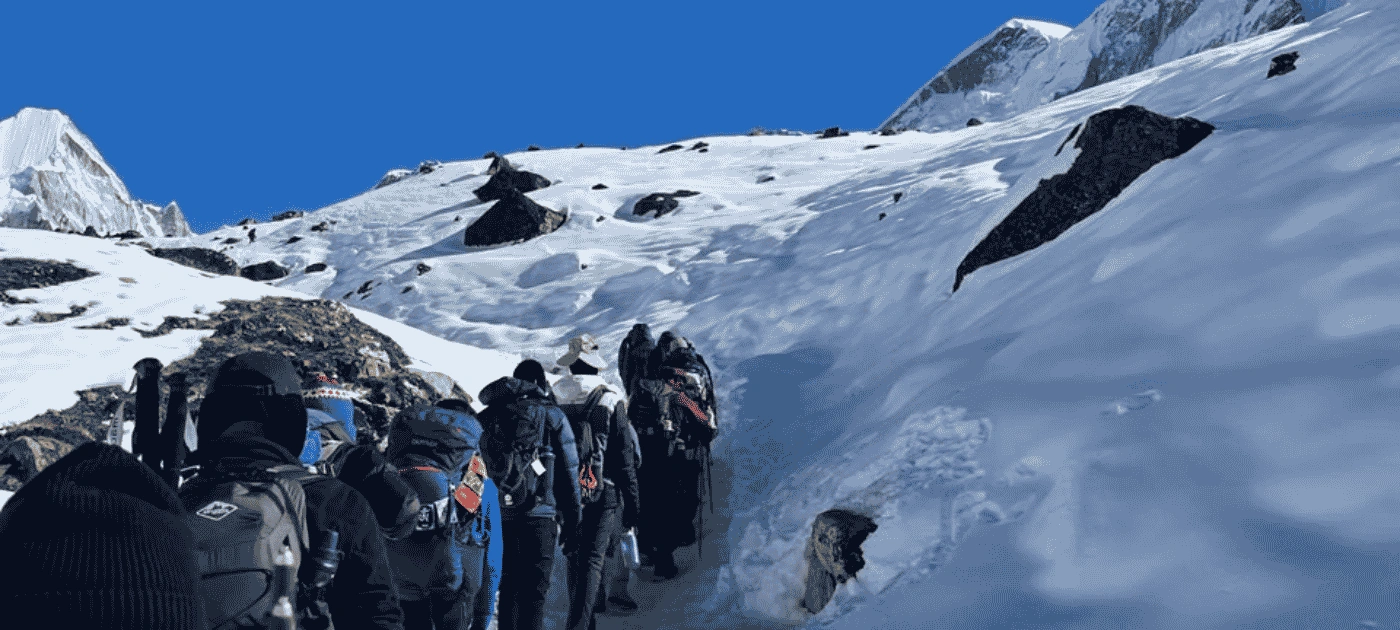
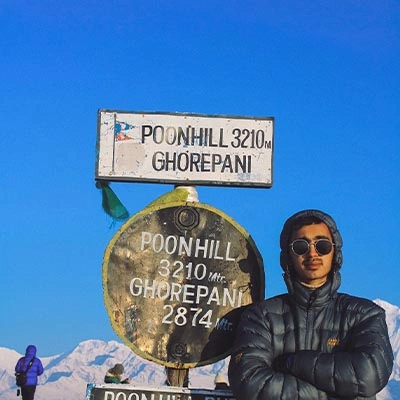
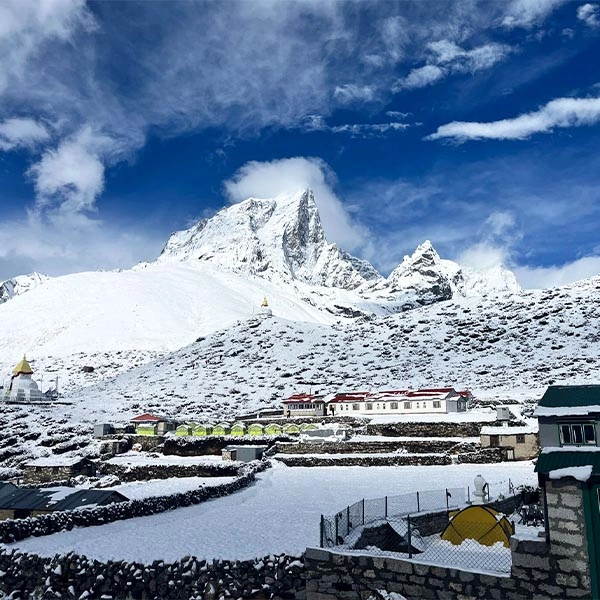
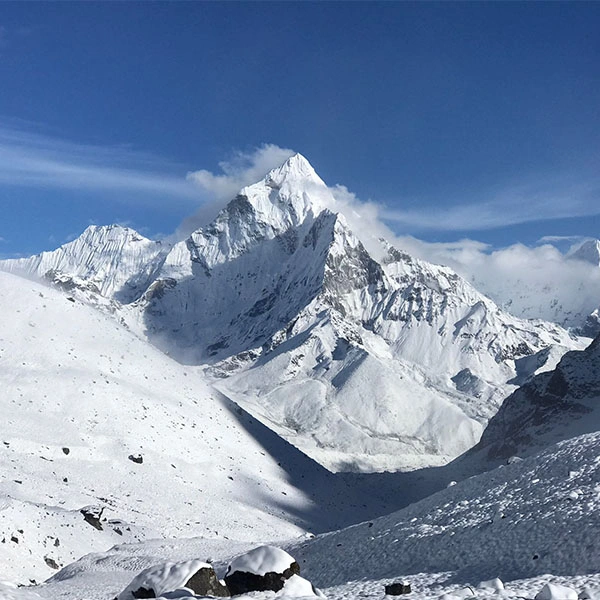
Yes, the Everest Three Passes Trekis worth it if you love adventure, mountain views, and challenging hikes. During the trek, you will also get to visit Everest Base Camp, Kala Patthar, and the beautiful Gokyo Lakes while crossing three high mountain passes. It’s a tough and demanding trek, but the incredible scenery and experience will undoubtedly make your trek worthwhile.
Blog Summary
The Everest Three Passes Trek is one of the most exciting and challenging trekking adventures in Nepal. It takes you across three high mountain passes: Kongma La, Cho La, and Renjo La, offering stunning views of Mount Everest, beautiful Sherpa villages, glaciers, and the breathtaking Khumbu region. But is the Everest Three Passes Trek worth it? And the answer is yes: the Everest Three Passes Trek is worth it if you want the full Khumbu experience: Everest Base Camp, Kala Patthar, the turquoise Gokyo Lakes, and three high passes above 5,300 m, all in a single loop.
However, the trek is not easy! The Everest Three Passes Trek is challenging because of its steep climbs, long walking days, rocky trails, and high altitude. It is very important to realize how important proper preparation, good physical fitness, and enough time to acclimatize are for completing the journey. If you are planning to do this trek, we recommend preparing well, choosing the right gear, and following a realistic itinerary. Even if you are attempting a challenging trek like this for the first time, you can prepare yourself with regular exercise, proper planning, and a strong mindset. In this guide, we will share our honest experience and everything you need to know about the difficulty of the Everest Three Passes Trek, so you can understand what to expect and how to prepare yourself for the adventure.
Key Highlights
- How challenging the Everest Three Passes Trek really is
- How to train and get ready for the journey
- Total days you need to complete the trek
- Challenges of high-altitude trekking
- Best months and weather for the Three Passes Trek, especially for first-time trekkers
- How it is different from the other treks
- What level of fitness you need before starting your Three Passes Trek
- Whether the views, adventure, and overall experience are worth the effort.
Introduction
The Everest region is home to some of the world’s most beautiful mountain landscapes, and trekking here is a dream for many adventure lovers. Everest Base Camp trek is a popular choice for many of them, and another is the Everest Three Passes Trek. But what makes the Everest Three Passes Trek so special, and is the Everest Three Passes Trek worth it? These are a few questions heard when planning for the trek. Let us answer these.
Imagine yourself standing high in the Himalayas, surrounded by giant snow-covered peaks, watching the first light of the sun touch the mountains. You take a deep breath, look around, and for a moment, forget everything else. In front of you, there are high mountain passes to cross, turquoise lakes hidden between rugged peaks, and small Sherpa villages where life moves at its own pace. Some days will definitely leave your legs tired, and you will struggle to catch your breath, but every time you think the view can’t get any better, you will find something even more beautiful. This is what makes the Everest Three Passes Trek so special. It’s not just about reaching the next destination; it’s about the moments along the way, the challenges you overcome, and the feeling of being somewhere truly extraordinary.
Quick Facts About The Everest Three Passes Trek
|
Location
|
Everest Region, Khumbu, Nepal
|
|
Duration
|
17-20 days (depending on the itinerary)
|
|
Three Passes
|
Kongma La, Cho La, and Renjo La
|
|
Highest Pass
|
Kongma La, approx. 5,535 m
|
|
Major high point
|
Kala Patthar, approximately 5,545 m
|
|
Difficulty Level
|
Challenging
|
|
Best Seasons to visit
|
Spring and Autumn
|
|
Main Challenges
|
Altitude, steep ascents and descents, long walking days, and weather
|
|
Trek Starting and Ending Point
|
Lukla
|
What is the Everest Three Passes Trek?
The Everest Three Passes Trek, also known as one of the most beautiful yet challenging treks in Nepal, takes you through the three main passes of the Khumbu region by crossing three high mountain passes:
- Kongma La (about 5,535 m): The highest of the three passes and often the toughest. It connects the Chukhung Valley with Lobuche.
- Cho La (about 5,420 m): A rocky mountain pass with a section of glacier crossing. It connects Dzongla with the Gokyo Valley.
- Renjo La (about 5,360 m): A beautiful pass with stone steps and incredible views of Everest, Lhotse, Makalu, and Cho Oyu. From here, the trail descends toward Thame.
Along the way, most trekking routes also include visits to Everest Base Camp (about 5,364 m) and Kala Patthar (about 5,545 m). You can also climb Chukhung Ri and Gokyo Ri for even more amazing mountain views. Similarly, the Everest Three Passes Trek takes you through some of the most famous destinations in the Everest region, including Namche Bazaar, Everest Base Camp, Kala Patthar, the Gokyo Valley, and the beautiful Gokyo Lakes, depending on your itinerary.
Each mountain pass offers a different challenge, with steep rocky trails, loose stones, and sometimes snow or ice, depending on the season and weather conditions. At such high elevations, walking becomes more difficult because the air contains less oxygen, making even uphill sections feel exhausting.
The real beauty of this trek is that you get to experience the Everest region from different perspectives. Rather than following a single route to one destination, you cross high mountain passes, explore remote valleys, and enjoy incredible views of the Himalayas along the way.
The Three High Passes: What Makes Each One Special?
Kongma La Pass: Approximately 5, 535 m
Kongma La is generally the highest of the three passes on the Everest Three Passes Trek. Crossing this pass can be a long and challenging day, with steep climbs and descents depending on your starting point and overnight stop. At this altitude, the thin air makes walking much more tiring, so you will need frequent breaks to catch your breath. Additionally, it is important to maintain a steady pace rather than trying to walk too quickly.
On clear days, the surrounding Himalayan views make the effort worthwhile. However, Kongma La is not an easy viewpoint, and snow, ice, poor visibility, and trail conditions can make the crossing even more difficult. Proper preparation and checking the weather before crossing are very important.
Cho La Pass: Approximately 5,420 m
Cho La Pass connects the Everest Base Camp side of the route with the beautiful Gokyo Valley. However, it is known for its steep approach and sections that may be covered with snow or ice, making the crossing physically demanding.
Moreover, conditions can change considerably throughout the trekking seasons. While the route may be manageable in favorable weather, it can become much more challenging after snowfall or during periods of poor visibility.
Therefore, wearing appropriate trekking boots, maintaining careful footing, and following the advice of an experienced local guide are particularly important when crossing Cho La. By taking your time and checking the weather and trail conditions beforehand, you can reduce the risks and make the crossing safer and more manageable.
Renjo La Pass: Approximately 5,360 m
Renjo La is another challenging crossing on the Everest Three Passes Trek, with steep uphill and downhill sections. However, the effort is well worth it, as the pass offers breathtaking views of the Gokyo Lakes and the surrounding Himalayan peaks on clear days.
Although the scenery is one of the major highlights of this crossing, the descent also requires careful attention. After several consecutive days of walking at high altitude, fatigue can affect your balance and concentration, making the downhill sections more difficult.
Overall, none of the three passes should be underestimated. The level of difficulty depends on your physical fitness, acclimatization, weather conditions, and trail conditions. Therefore, following a well-planned itinerary with enough time to rest and recover between challenging days is essential for a safer and more enjoyable trekking experience.
Honest Difficulty: How Hard is the Everest Three Passes Trek
The Everest Three Passes Trek is generally considered a very challenging trekking route. Compared with many standard teahouse treks, it is more demanding because of the combination of high altitude, three major mountain pass crossings, steep terrain, and long walking days.
However, you don’t need to be a professional mountaineer to complete the trek in suitable conditions. Instead, you should have good physical fitness, experience with long hikes, and an understanding of the challenges of walking at high altitudes. With proper preparation, gradual acclimatization, and a well-planned itinerary, you can make the journey safer and more manageable.
What Makes the Everest Three Passes Trek Difficult
Here are some of the factors that make the Everest Three Passes Trek challenging:
High Altitude and Reduced Oxygen
One of the biggest challenges of the Everest Three Passes Trek is the high altitude. Since all three passes are above 5,300 meters, the lower availability of oxygen makes walking and other physical activities much more demanding.
As you climb higher, you may find yourself getting breathless more quickly, walking at a slower pace, and needing more frequent breaks, even on uphill trails that would normally feel manageable. In addition, high altitude can affect your sleep and appetite, making it harder to recover after a long day of trekking.
Another major concern is altitude sickness, which can affect anyone, regardless of their fitness level or trekking experience. Therefore, being physically fit does not guarantee protection against altitude-related problems.
To reduce these risks, it is important to follow a well-planned itinerary that allows enough time for acclimatization and avoids ascending too quickly. If you develop symptoms of altitude sickness, do not continue climbing just to stay on schedule. Instead, stop ascending and seek advice from your guide. If symptoms worsen or become severe, descend immediately and seek urgent medical attention.
Long Walking Days
Another major challenge of the Everest Three Passes Trek is the long walking days, especially when crossing one of the high mountain passes. The difficulty comes not only from the distance but also from the steep climbs, rough terrain, and limited time to rest and recover.
To make the most of the weather and daylight, you may need to start walking early in the morning. Moreover, on particularly challenging days, reaching the next teahouse can take considerably longer than expected due to the terrain and high altitude.
Steep Climbs and Descents
Another factor that makes the Everest Three Passes Trek challenging is the constant variation in terrain. Rather than following a gradual trail, you will need to tackle steep climbs, descend rocky slopes, and cross uneven ground repeatedly over several days. These steep descents are as exhausting as uphill climbs and will put extra pressure on your knees and require good balance. As a result, trekkers who have trained only on flat roads may find the trails much more difficult than expected.
Weather and Trail Conditions
Another major challenge of the Everest Three Passes Trek is the unpredictable mountain weather. Conditions can change quickly, and snowfall, strong winds, freezing temperatures, or poor visibility can make crossing a high mountain pass much more difficult or even unsafe.
Furthermore, even during the main trekking seasons, favorable weather is not guaranteed every day. For this reason, having a flexible itinerary is important, as it allows your guide to adjust the plan according to weather conditions, your health, and the state of the trails.
Mental Fatigue
If you think physical fitness is only the challenging part, then you are wrong because physical fitness is only one part, and mental endurance is equally important. After several days on the trail, you may start feeling tired of packing your bag every morning, waking up early, eating simple meals, and spending long hours walking through challenging terrain.
Moreover, the weather may not always cooperate, and there may be days when clouds hide the beautiful mountain views you were looking forward to seeing. These moments can be disappointing, especially after putting so much effort into the journey. Therefore, patience and a positive attitude are essential throughout the trek.
Preparation Guide: How to Prepare for the Everest Three Passes Trek
Are you planning to trek across the three high passes of the Everest region? If yes, then here is a preparation guide. It explains how to prepare your body, pack the right gear, and get ready for this amazing Himalayan trek.
Proper preparation definitely makes the Everest Three Passes Trek more comfortable and enjoyable. However, it is very important to remember that even with good training, you cannot eliminate the risks associated with high altitude and unpredictable mountain weather. Ideally, you should start training around 8-12 weeks before your trek, and if you are new to hiking or starting with a low fitness level, you should allow yourself more time to build stamina, strength, and endurance gradually.
Build Your Cardiovascular Fitness
The first thing you should do to make yourself prepare for the Three Passes trek is you need to start improving your cardiovascular fitness through activities such as brisk walking, hiking, cycling, swimming, or using a stair machine. Sound difficult, right? But it is essential because these exercises will help build endurance and make it easier to handle the long walking days and steep climbs along the route.
But do not rush and push yourself too hard at the beginning. You need to increase your training gradually, and as your fitness improves, you can slowly increase the duration or intensity of your workouts.
Train on Hills and Uneven Trails
To prepare for the Everest Three Passes Trek, it’s important to practice walking uphill and downhill, as both movements use your muscles differently from walking on flat ground. Whenever possible, include hills, stair climbing, and local hiking trails in your training routine to build strength and improve your balance.
In particular, don’t focus only on climbing, as descending is equally important. Walking downhill helps prepare your legs and knees for the repeated descents you will encounter throughout the trek, especially on steep and rocky trails.
Practice Hiking With Your Daypack
Another important part of preparing for the Everest Three Passes Trek is getting used to walking with a backpack. During your training, gradually include longer hikes while carrying a daypack similar to the one you plan to use on the trek.
For example, pack essentials such as water, extra clothing layers, snacks, and personal items to get a realistic feel for the weight. As your endurance improves, you can gradually increase your walking distance and time on the trail.
Prepare Mentally for a Slower Pace
Another important part of preparing for the Everest Three Passes Trek is learning to slow down and adjust your expectations. While you may be used to walking quickly at lower elevations, moving at the same pace in the mountains can leave you exhausted, especially as the altitude increases.
Therefore, practice walking at a steady, comfortable pace that allows you to keep going without constantly pushing yourself to the limit. Along the way, be prepared to take regular breaks, listen to your body, and accept that some days will be more challenging than others.
What to pack for the Everest Three Passes Trek?
We have a habit of packing a lot, thinking, “What if we need it?” but it doesn’t work on such a long and challenging trek. Here are the main items to consider:
- Clothing: Moisture-wicking base layers, warm insulating layers, such as fleece or down, waterproof and windproof jacket and trousers, trekking trousers and comfortable hiking shirts, warm hat, gloves, and spare socks, comfortable clothing for evenings in teahouses.
- Footwear and Trekking Equipment: Broken-in trekking boots with good grip, trekking poles, sunglasses with suitable UV protection, sun hat and sunscreen, a comfortable daypack, headlamp with spare batteries, water bottles or a hydration system.
- Health and Personal Essentials: Personal medications, a small first-aid kit and blister care, water purification supplies, toiletries and hand sanitizer, high-energy snacks, personal travel insurance documents, copies of required permits and identification.
Best Time for the Everest Three Passes Trek
If you are wondering what the best time for the Everest Three Passes Trek is, then spring and autumn are considered the favorable seasons with excellent mountain views.
Spring: March to May
The weather during this season is wonderful and is a great time to trek in the Everest region because the temperature becomes milder at lower elevations and the days grow longer. Similarly, during this season, rhododendrons and other wildflowers begin to bloom, while the hillsides become greener and more vibrant, adding extra beauty to the trekking experience. Moreover, clear weather can provide views of the surrounding Himalayan peaks. However, snow and ice may still affect the passes, especially early in the season, and some sections might be challenging. Therefore, you need to check the latest trail conditions and consult with a trusted travel agency before starting.
Likewise, spring is a popular trekking season, and teahouses and flights to Lukla can become busy. So, we recommend that you book your accommodation and travel arrangements in advance.
Autumn: September to November
Another best season for the Everest Three Passes Trek is the autumn season, when the weather often becomes more stable, and the skies are clear. As a result, you can enjoy spectacular views of the surrounding mountains and landscapes.
Moreover, autumn coincides with some of Nepal’s biggest festivals, including Dashain and Tihar, offering a wonderful opportunity to experience local culture, traditions, and celebrations.
What about winter and monsoon?
Winter brings very cold conditions, and heavy snow or ice may make one or more passes difficult or impossible to cross; during the monsoon, rain, cloud cover, wet trails, and travel disruptions can affect the lower parts of the journey. So, we do not recommend traveling in these seasons.
Everest Three Passes vs Everest Base Camp: Which Should You Choose?
Choosing between the Everest Base Camp Trek and the Everest Three Passes Trek depends on your fitness level, trekking experience, available time, and the kind of adventure you are looking for.
- Choose the Everest Base Camp Trek if this is your first Himalayan trek, you have around two weeks, or you prefer a more straightforward route with established trails and opportunities for acclimatization.
- Choose the Everest Three Passes Trek if you have previous multi-day trekking experience, ideally at high altitude, around three weeks to spare, and want a more challenging adventure through diverse landscapes, remote valleys, and high mountain passes. Additionally, some sections of the route are generally quieter than the main Everest Base Camp trail.
If you are unsure which trek is right for you, starting with Everest Base Camp can be a good option before returning for the Three Passes Trek in the future. Alternatively, you can discuss your fitness, experience, and available time with a trusted and reliable trekking agency to plan an itinerary that best suits your needs.
Is the Everest Three Passes Trek Worth it? Pros and Cons
Yes, the Everest Three Passes Trek is well worth considering if you are looking for a challenging Himalayan adventure with incredible mountain scenery, remote valleys, and a strong sense of achievement. However, it also requires more time, preparation, and flexibility than the standard Everest Base Camp Trek.
Pros: What Makes It Worth It?
Experience the major highlights in one trip: You can visit Everest Base Camp, climb Kala Patthar, and explore the beautiful Gokyo Lakes within a single trekking journey.
Explore diverse landscapes: The route takes you through three different valleys, each offering its own scenery, mountain views, and trekking experience. As a result, the journey feels varied rather than repetitive.
Enjoy quieter trails: Although the main Everest Base Camp route can be busy, some sections around the high passes are generally less crowded, allowing you to experience a more peaceful side of the Himalayas.
Achieve a personal milestone: Crossing three mountain passes above 5,000 meters is a significant accomplishment. Completing the route can give you a real sense of achievement and confidence.
Discover the beauty of Gokyo: The turquoise Gokyo Lakes and panoramic views from Gokyo Ri are major highlights. In fact, many trekkers find the scenery around Gokyo just as memorable as the views from Kala Patthar.
Cons: What should you consider?
Time and budget: The trek usually takes around three weeks, so you will need to set aside enough time and budget for the journey.
High-altitude challenges: Crossing three high mountain passes increases your exposure to altitude-related risks. Depending on your health, acclimatization, and trail conditions, you may need to adjust your itinerary or turn back.
Basic accommodation: You will spend many nights in mountain teahouses, where facilities are often simple, and rooms can be cold, especially at higher elevations.
Unpredictable weather: Snowfall, strong winds, and poor visibility can affect pass crossings. As a result, you may need to change your plans or wait for safer conditions.
Who Should Do the Everest Three Passes Trek, and Who Should Wait?
The Everest Three Passes Trek is best suited to trekkers who are physically prepared, have previous trekking experience, and for those who are ready for the challenges of high-altitude hiking. However, it may not be the right choice for everyone, especially those who are new to trekking or have limited time.
Who is this trek suitable for?
- The Everest Three Passes Trek is a good choice for you if:
- You have completed several multi-day treks before.
- You are comfortable walking for around 6–9 hours a day.
- You have enough time to follow a gradual acclimatization schedule.
- You are physically fit and prepared for long walking days and steep climbs.
- You are mentally prepared for cold temperatures, basic accommodation, and early morning starts.
Who Should Consider Waiting?
- You should wait or choose an easier trek if:
- You have little or no experience with multi-day trekking.
- You have limited time to complete the trek.
- You prefer comfortable accommodation and warm rooms.
- You are not prepared for long walking days and challenging high-altitude conditions.
- You have a medical condition that could be affected by high altitude. In this case, consult your doctor before planning the trek.
Bill and Carol T., who traveled with friends on a self-guided Three Passes trip in May 2026, praised our local knowledge, professionalism, and travel arrangements.
“His advice and tips were super helpful, and all our travel arrangements worked out perfectly.”
They also appreciated our help arranging an early flight from Lukla when the weather was unfavorable. Read More Here.
Stephanie W. wrote a review in June 2026 titled “Always Happy to Do It Again.”
Stephanie praised our team's planning, reliable arrangements, and knowledgeable English-speaking guide. She also appreciated the flexibility to meet her needs, help finding a doctor at night when altitude sickness was a concern, and assistance rearranging her Lukla flight due to bad weather.
“Dil was always reachable. I could relax and rely on everyone, including the excellent porter.
Christopher H. wrote a review in May 2026 titled “Excellent Experience: High Quality Throughout. Tremendous Value.”
As a returning customer, Christopher praised our company’s communication, knowledgeable guides, careful trip planning, and flexibility with customized itineraries.
“Adventure Glacier Treks made the experience seamless. A+”
He also highlighted the value and quality of the service, sharing his confidence in booking with the company again.
Read Christopher H.’s full review on TripAdvisor.
Final Thoughts
Overall, the Everest Three Passes Trek is an excellent choice for trekkers who want more than the standard Everest Base Camp experience. It combines iconic destinations, quieter mountain trails, beautiful lakes, and the challenge of crossing three high passes.
However, if you have limited time, little trekking experience, or prefer a less demanding journey, the standard Everest Base Camp Trek may be a better fit. If you have around three weeks, good physical fitness, and previous trekking experience, the Three Passes Trek can be an incredibly rewarding adventure.
Frequently Asked Questions Related to Everest Three Passes Trek
Is the Everest Three Passes Trek worth it?
Yes, the Everest Three Passes Trek is worth it if you love adventure, mountain views, and challenging hikes. You will visit Everest Base Camp, Kala Patthar, and the beautiful Gokyo Lakes while crossing three high mountain passes. It’s a tough and demanding trek, but the incredible scenery and experience make it worthwhile.
What is the 3 Passes Trek?
The Three Passes Trek is a challenging trekking route in Nepal’s Everest region that takes you through three high mountain passes: Kongma La, Cho La, and Renjo La. It also includes famous places such as Everest Base Camp and the Gokyo Lakes, offering a complete experience of the Khumbu region.
Which of the three passes is the hardest?
Kongsma La is the highest and generally considered the highest of the three passes on the Everest Three Passes Trek. It involves steep climbs, rocky terrain, and a long, tiring day of walking at high altitude.
How difficult is the Everest Three Passes trek?
The Everest Three Passes Trek is challenging because of the long walking hours, steep ascents, rocky trails, and high altitude. You will cross three mountain passes, all above 5,000 meters, where the air is thinner, and walking becomes more difficult. Good physical fitness, proper acclimatization, and good preparation are important to complete the trek safely and comfortably.
What is the recommended itinerary for the Everest Three Passes trek?
A 17–20-day itinerary is ideal for most trekkers, as it allows enough time for walking, acclimatization, and exploring the main highlights of the Everest region. The route usually takes you through Namche Bazaar, Tengboche, Dingboche, Chukhung, Lobuche, Everest Base Camp, Kala Patthar, Gokyo, and Thame before returning to Lukla. However, the itinerary may vary depending on your walking pace, weather conditions, and acclimatization needs.
Can a beginner do the EBC trek?
Yes, beginners can complete the Everest Base Camp (EBC) trek with proper preparation, a suitable itinerary, and enough time to acclimatize. You don’t need previous trekking experience, but it’s important to build your fitness and stamina before the trek. However, the Everest Three Passes Trek is much more challenging, so it’s generally better suited to trekkers who already have some high-altitude trekking experience.
Which is the toughest trek in Nepal?
There is no single answer to which trek is the hardest in Nepal, as it depends on the altitude, terrain, weather conditions, and your trekking experience. However, the Great Himalaya Trail, Upper Dolpo, Dhaulagiri Circuit, and Kanchenjunga Circuit are often considered some of the toughest treks in the country. The Everest Three Passes Trek is also one of the most challenging popular trekking routes, with high mountain passes, steep trails, and long walking days.
How much does it cost to trek the Everest Three Passes?
The cost of the Everest Three Passes Trek usually ranges from around USD 1,500 to USD 2,500 or more per person, depending on the itinerary and level of service. The total cost can vary based on whether you hire a guide and porter, your accommodation and meals, transportation, and trekking permits. You should also budget for flights to Lukla, trekking equipment, travel insurance, and personal expenses. Before booking, it’s always a good idea to check what is included in the package and whether there are any additional costs.
Which is the most beautiful trek in Nepal?
Nepal has many beautiful trekking routes, and the best one depends on your interests, fitness level, and the kind of experience you are looking for. The Everest Three Passes Trek is a great choice for those who want to see dramatic Himalayan peaks, cross high mountain passes, and explore glaciers and turquoise lakes. Other excellent options include the Annapurna Circuit, Manaslu Circuit, and Langtang Valley treks, which offer stunning mountain scenery and opportunities to experience local culture and traditions.
What are the top 5 hardest treks in Nepal?
Some of Nepal’s most challenging treks include:
- Everest Three Passes Trek: A demanding route with three high passes above 5,300 m.
- Great Himalaya Trail: A long-distance adventure across remote Himalayan terrain.
- Dhaulagiri Circuit: Known for high passes, glaciers, and demanding conditions.
- Upper Dolpo Trek: A remote journey with high-altitude trails and limited facilities.
- Kanchenjunga Circuit: A long and challenging trek through remote mountain landscapes.
Is the Everest Three Passes Trek dangerous?
The Everest Three Passes Trek can be dangerous because of the high altitude, unpredictable weather, snow, icy trails, and challenging terrain. Altitude sickness is one of the biggest risks, especially if you ascend too quickly without giving your body enough time to adjust. To reduce these risks, it’s important to follow a well-planned itinerary, allow enough time for acclimatization, carry the right equipment, check weather conditions, and consider trekking with an experienced guide. If you develop symptoms of serious altitude sickness, you should descend immediately and seek medical help.
Do I need climbing experience?
You generally don’t need any technical climbing experience to complete the Everest Three Passes Trek, as it’s mainly a high-altitude hiking adventure rather than a technical mountaineering expedition. However, you should be prepared for long walking days, steep climbs, rocky trails, and sometimes snowy or icy conditions. Having experience with long hikes and high-altitude trekking is a big advantage and can make the journey more manageable.
Can the itinerary be customized?
Yes, the Everest Three Passes Trek itinerary can be customized to suit your fitness level, available time, interests, and acclimatization needs. You can adjust your walking pace, add rest days, visit extra viewpoints, or change some stops along the route. However, it’s important not to shorten the itinerary too much, as your body needs enough time to adjust to the high altitude. Proper acclimatization is essential for a safer and more enjoyable trekking experience.
How many days does the Three Passes Trek take?
The Everest Three Passes Trek usually takes around 17–20 days to complete, depending on your route, walking pace, acclimatization days, and travel arrangements. If you want to explore extra viewpoints or include additional rest days, the trek may take a little longer. It’s best to allow enough time to adjust to the high altitude and enjoy the journey without rushing.
Do I need to be extremely fit for the Three Passes Trek?
You don’t need to be an athlete to complete the Everest Three Passes Trek, but you should have good stamina and be comfortable walking for several hours each day. Preparing with regular hikes, uphill walks, stair climbing, and cardio exercises can help improve your fitness. Since the trek involves steep climbs, long walking days, and high altitude, being physically prepared will make the journey easier and more enjoyable.
Which is harder: Everest Base Camp or the Three Passes Trek?
The Everest Three Passes Trek is more challenging than the standard Everest Base Camp trek because it involves crossing three high mountain passes, longer walking days, and more difficult terrain at high altitudes. The Everest Base Camp trek is generally a better choice for beginners and first-time high-altitude trekkers, while the Three Passes Trek is ideal for those looking for a more demanding adventure and who are better prepared for the challenges of the Himalayas.
What is the highest point on the Three Passes Trek?
The highest point commonly visited on the Everest Three Passes Trek is Kala Patthar, at around 5,545 meters. Among the three mountain passes, Kongma La is the highest, at approximately 5,535 meters.
What is the best month for the Everest Three Passes Trek?
The best time to do the Everest Three Passes Trek is generally from March to May and late September to November. Spring brings milder weather and blooming rhododendrons at lower elevations, while autumn usually offers clear skies and stunning mountain views. However, snow and changing weather conditions can make the high passes difficult to cross, so it’s important to check the conditions before setting out.
Do I need a guide for the Three Passes Trek?
We highly recommend that you hire an experienced guide for the Everest Three Passes Trek because of the high mountain passes, unpredictable weather, and challenging terrain. A guide can help you navigate the route, arrange accommodation, manage local logistics, and recognize the signs of altitude sickness. Before starting the trek, make sure to check the latest trekking regulations and permit requirements in Nepal, as these may change over time.