For every adventurer, standing on the top of Mount Everest is a lifelong dream. But from the 2025/26 climbing season, the cost of making that dream come true has officially changed. Nepal has revised its permit fees for Everest base camp, and anyone planning an expedition now needs to factor these new prices into their budget. The updated permit fees are not implemented to raise revenue, as governments are preparing a broader plan to ensure safety and protect the environment of the mountain. The Nepalese government is planning to use the collected money directly to support different rescue operations and waste management and implement strict climbing regulations.
In this update guide, you will have a clear idea of what the new fee system looks like. It will also make it clear how much a climber from a different region will need to pay, while making you understand why the cost has been increased. This blog will also cover how the change will connect with the new rules for climbers, including the experience requirement and licensed guide. After reading this blog, you will have an exact idea of what the Everest permit will cost in 2025/2026 and what the overall expenses will be. This way you can have a great start to your planning with the help of the latest information and understand how Nepal is investing in the future of Everest climbing.
Previous changes
Back in 2015, Nepal’s Ministry of Culture, Tourism & Civil Aviation made a big change to how climbers were charged for Mount Everest permits. Before this revision, the system worked in two ways: climbers usually joined a group of seven, where the total fee was $70,000. That came out to $10,000 per person, which was the standard option most people chose. If a climber wants to climb solo, they have to pay a fee of USD 25000 just for themselves. In 2015, the Nepal government had decided to simplify by introducing a flat fee of USD 11000 per climber. This clarifies that it doesn't matter whether someone wants to climb solo or join a team; they have to pay the same permit fee.
Officials described this move as a “price decrease” because the solo fee dropped significantly, from $25,000 down to $11,000. But in reality, very few climbers had ever paid the solo fee. Most people went in groups, where the cost had been $10,000 per person. So for the majority of climbers, the new system actually made Everest more expensive, raising their costs by $1,000 each. The 2015 change was important because it created a simpler and more uniform structure for Everest permits. However, it also showed how pricing decisions can affect climbers differently depending on their situation. While it looked like a discount on paper, most Everest aspirants ended up paying more to follow their dream of reaching the world’s highest peak.
Fees in China last increased in 2019
In 2019, China raised the cost of climbing Mount Everest from the north side and introduced its new permit rules. One of the biggest changes was the removal of the option for solo climbers to pay less than $20,000. Now, every climber must be part of a team with at least four members. For those who don’t have a team, it’s not a huge issue, since many guides allow individuals to join their group for a small extra fee, even if the support is minimal. Currently, an Everest permit from the Chinese side costs between $15,800 and $18,000 per person when joining a group of four or more. This price mostly includes things like transportation from the entry point in China and accommodation. a liaison officer, trash management fee, and yak service for carrying gear. If someone wants to stay in Lhasa, it adds another USD 200 per day per person. If you wish to use a sherpa guide from Nepal, there will be an extra USD 4500 for a work permit plus about USD 5000 for their salary.
Rescue services in Tibet work differently compared to Nepal. All rescues are handled by a central team, and since there are no fixed prices, the costs can quickly rise. Helicopter rescues are still not allowed, though there are talks they might be introduced in the future. That’s why climbers are advised to double-check insurance details with their expedition company. The higher fees also mean Everest is becoming more expensive. If costs are passed down by climbing companies, the minimum price of an expedition could easily reach $40,000 or more, which is challenging for younger climbers without sponsors. This could result in fewer climbers from countries like China and India and more older climbers from wealthier nations such as Japan, the US, and Europe.
For 2025, this shift may actually provide a different kind of opportunity. While permits are pricier, this will help reduce the number of climbers on the mountain. It helps reduce crowding and create a more peaceful climbing experience. For those dreaming of Everest, it might be a once-in-a-lifetime chance to experience the world’s highest peak with more space and quiet than usual.
Will the Cost of Mount Everest Climbing Increase in 2025/2026?
Climbing Mount Everest has always been costly, but prices in 2025 show just how much the expenses keep rising. According to ExpedReview, the average cost of an Everest expedition in 2025/26 is about $58,069, while the general average across all trips comes to around USD 50,000. If we choose anything except private and luxury expeditions, the average is lower at USD 52,448, with a median price of USD 49,500. If we analyze the trend, it is easy to see. In 2022, climbers paid an average of USD 54,972, while in 2021, the average was USD 54,044. The median costs in those years were USD 46,995 and USD 46,498. We can clearly understand that in just a year the price for a solo expedition has increased by USD 4000 to USD 5000
The steady rise comes from several factors. Permit fees have gone up, inflation adds pressure, and government taxes and logistics like flights, yaks, gear, food, and guide wages all cost more every season. With Everest’s popularity growing, the demand also pushes prices higher. As we move into 2025 and 2026, climbers should expect expenses to keep increasing. For most, that means planning ahead and preparing a bigger budget if they want to take on the world’s tallest mountain.
Changes in Mount Everest Climbing Fees Over Time: Old vs New
Effective from 1st September, 2025, the Nepalese government has made important changes to Everest climbing permits in recent years. For a long time, the fees stayed the same, but with the rise in climbers and the growing need to protect the mountain environment, the system has been updated. These changes affect both foreign climbers and Nepali citizens, and they highlight how the cost of climbing Everest has steadily gone up. Here is perfect breakdown of how much is a permit to climb mount everest
|
Mountain / Altitude |
Previous Fees (Spring) |
Updated Fees (Spring) |
Previous Fees (Autumn) |
Updated Fees (Autumn) |
Previous Fees (Winter/Summer) |
Updated Fees (Winter/Summer) |
| Mt. Everest (Normal Route) | $11,000 | $15,000 | $5,500 | $7,500 | $2,750 | $3,750 |
| Mt. Everest (Other Route) | $7,000 | $10,000 | $3,500 | $5,000 | $1,750 | $2,500 |
| Other Mountains Above 8000m | $2,000 | $3,000 | $1,000 | $1,500 | $500 | $750 |
| Manaslu | $1,000 | $1,500 | $2,000 | $3,000 | $1000 | $1,500 |
| 7501m – 8000m | $700 | $1,000 | $350 | $500 | $175 | $250 |
| 7001m – 7500m | $600 | $800 | $300 | $400 | $150 | $200 |
| 6501m – 7000m | $400 | $500 | $200 | $250 | $100 | $200 |
| Mount Ama Dablam (6812m) | $800 | $1,000 | $800 | $1,000 | $400 | $500 |
| Less than 6500m | $250 | $350 | $125 | $175 | $125 | $175 |
Mount everest climbing permit cost for Nepalese
The Nepali government has also revised the fee of climbing for Nepali citizens, which has resulted in notable changes applied to different mountains and seasons. These changes are made to balance demand during peak and off-peak seasons and ensure fair contribution from Nepali climbers across different mountain ranges.
|
Mountain / Route |
Spring Season |
Autumn Season |
Winter / Summer |
| Everest (Normal Route) | Rs 150,000 | Rs 75,000 | Rs 37,500 |
| Everest (Other Routes) | Rs 100,000 | Rs 50,000 | Rs 25,000 |
| Other Mountains (8000 m+) | Rs 50,000 | Rs 25,000 | Rs 12,500 |
| Peaks 7501m–7999m | Rs 40,000 | Rs 20,000 | Rs 10,000 |
Why Climbing Permits in Nepal Are More Expensive Now
One of the important reasons Nepal has increased its mountain climbing fees is to address the challenges that come with the carrying capacity of the peaks. Everest, which is standing at 8848 meters (29029 feet), is one of the world's famous peaks yet also the most dangerous mountain. As the number of expeditions is growing, problems like overcrowding, pollution, and waste left on the mountain have raised serious concerns.
Improving Safety: The extra fees are used to make climbing safer. This includes hiring more trained guides, improving communication and monitoring systems, and speeding up and improving the effectiveness of rescue operations. These measures help to provide better supports on the mountain and help to reduce the risk during upcoming emergencies at high altitudes.
Protecting the Environment: Fees also go toward protecting Everest’s environment. They fund garbage cleanup, proper waste disposal, and programs to preserve the fragile mountain ecosystem. By applying strict rules, these measures help reduce pollution while maintaining the natural beauty of the Himalayas for the upcoming generation in a sustainable manner.
Supporting Local Communities: The additional money supports people living near Everest. It would be used to improve roads, facilities, and healthcare services, as well as to help local businesses that rely on tourism. These funds strengthen the communities around the mountain while ensuring they benefit directly from climbing activities and visitors.
Will the New Cost of the permit affect Peak Climbing in Nepal
Many mountaineers and trekking agencies believe that the recent increase in peak climbing permit fees will affect popular peaks under 6,500 meters, which include peaks like Island Peak, Mera Peak, Lobuche Peak, and Chulu Far East, which are well-known among national and international climbers. Each year, these peaks attract thousands of climbers and trekkers, which is providing jobs for guides, porters, and local communities, as well as income for the country. The higher permit costs made climbers reconsider their plans, which might potentially reduce bookings and affect local tourism.
The cost of climbing in Nepal has already increased in recent years due to higher flight fares, rising logistics costs, and local permits. Trekking and expedition companies are concerned that the new peak climbing permit fees may add another financial burden. For many climbers with limited budgets, this could make smaller peaks less affordable, which will lead them to choose lower-cost alternatives or cancel trips.
While higher fees are intended to improve safety, environmental protection, and local development, the immediate impact may be fewer climbers on popular trekking peaks. This could affect local jobs and businesses that rely entirely on tourism, which includes lodges, restaurants, and equipment rentals. In the long term, agencies believe that careful planning and promotion of sustainable tourism will help to balance the higher costs. If managed well, Nepal can continue attracting climbers while ensuring the mountains and local communities benefit responsibly.
Impact on Climbers and the Tourism Industry
Nepal has increased Everest permit fees at a time when climbing the mountain is becoming more popular. The higher cost is likely to reduce the number of climbers because not everyone can afford it. Most climbers agree that extra money is needed for safety and protecting the environment, but the increase may make Everest harder to reach for many people. Higher fees could promote better and more sustainable tourism. Fewer climbers but better-prepared teams may make climbing Everest safer, cleaner, and a more meaningful experience for everyone. Here’s the list of reasons why this will impact climbers and the tourism industry:
- Fewer Climbers Overall: The $15,000 permit fee makes Everest less affordable, especially for the climbers who are climbing for the first time and have limited budgets.
- Higher Total Costs: Beyond permits, expenses for travel, gear, food, lodging, and Sherpa support push the total above $50,000, limiting the climbers.
- Reduced Overcrowding: When there are fewer climbers on the trail, it leads to fewer traffic jams and fewer dangerous delays along the route, and the potential risk of safety issues may decrease.
- More Prepared Teams: Higher fees may encourage climbers to train more while also hiring qualified guides and following regulations more closely.
- Support for Local Economy: Wealthier climbers who can afford the fees often spend more on trekking agencies, guides, and local communities.
- Environmental Benefits: With a focus on quality over quantity but better-organized expeditions, waste management and eco-friendly practices are easier to maintain.
- Government Goal: Nepal hopes these rules strike a balance among safety, sustainability, and revenue while keeping Everest respected as a world-class climbing destination.
Does this affect Everest’s future?
The discussion about the future of climbing Mount Everest is getting stronger. Many people are curious to know whether the current approach of letting large numbers of climbers attempt the mountain is safe or sustainable. The recent increase in permit fees is part of this bigger conversation. Nepal wants to balance the economic benefits from tourism with the need to protect the mountain, keep climbers safe, and preserve its natural beauty. The expert has raised a question that just raising fees is not enough. They have suggested that the government should have taken measures like limiting the number of permit issuances in each season and providing better training for climbers. Overcrowding has become a serious issue during peak climbing season, which has caused dangerous delays in key sections. These issues can increase the risk of accidents and also fatalities.
The Nepalese government is relying on higher permit fees to help manage the number of climbers. While this may reduce the total number of people on Everest, it is unclear whether it will fully address issues such as overcrowding, safety risks, and environmental damage. Some mountaineering organizations and environmentalists are requesting a more comprehensive plan and long-term strategies to keep the mountain clean and safe.
Why Choose Adventure Glacier Treks for 2026
If you are planning a trek or peak climb in Nepal in 2026 or 2027, we at Adventure Glacier Treks are here to make your adventure safe, smooth, and memorable. With years of experience, we guide trekkers on popular routes such as Everest Base Camp, Annapurna Circuit, and Langtang Valley and on climbing peaks such as Island Peak and Mera Peak. We understand that, due to the rise in permit fees, proper planning has become even more important. With Adventure Glacier we ensure your safety while making your journey memorable and meaningful.
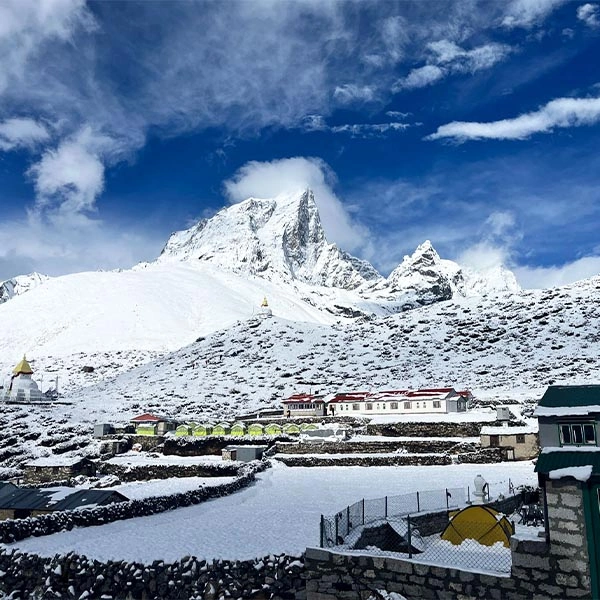
These are the reasons why you should choose Adventure Glacier Treks:
- Expert Guidance: Licensed and experienced guides ensure your safety while sharing knowledge about local culture, traditions, and the Himalayan environment.
- Updated Cost Management: We help you plan with the latest permit fees and expenses, so there are no surprises during your trip.
- Customized Itineraries: Our treks and climbs are personalized around your fitness, time, and interests for a personalized adventure.
- Popular Routes and Peaks: From Everest Base Camp and Annapurna Circuit to Island Peak and Mera Peak, we will plan a memorable Nepal trip.
- Cultural Experience: You get to explore Sherpa culture, ancient monasteries, and traditional mountain villages along the way.
- Eco-Friendly Practices: We follow sustainable trekking methods and waste management to keep the mountains clean.
- Safe and Enjoyable Journeys: Every detail, from logistics to acclimatization, is carefully managed so you can relax and focus on enjoying the adventure.
Conclusion
Mt. Everest is not only the tallest mountain in the world, but it is also a symbol of adventure, determination, and the human spirit, as it is also worshipped as Mother of the World by local people. Everest has become one of the most popular destinations, attracting thousands of climbers from around the world. With this rising popularity, challenges such as overcrowding, carrying capacity, and safety concerns have grown. The Nepalese government is pressured to revise climbing permit fees and regulations. They are designed to address multiple issues and improve safety by funding initiatives such as sherpa guides and enhanced communication systems using satellite phones. It will help to operate a reliable rescue. They are prioritizing the environment with proper waste management and strict rules for climbers. A portion of the fees is used to support local communities and improve local infrastructure, healthcare, and their daily livelihoods.
Everything has its advantages and disadvantages. As these changes may make Everest expeditions more expensive, they will also encourage a more responsible and sustainable approach to climbing. Fewer climbers on the mountain mean less overcrowding, a cleaner environment, and a safer experience for everyone.